

Technical notes from
real production work
Setup guides, engineering decisions, and lessons from building data systems at scale.
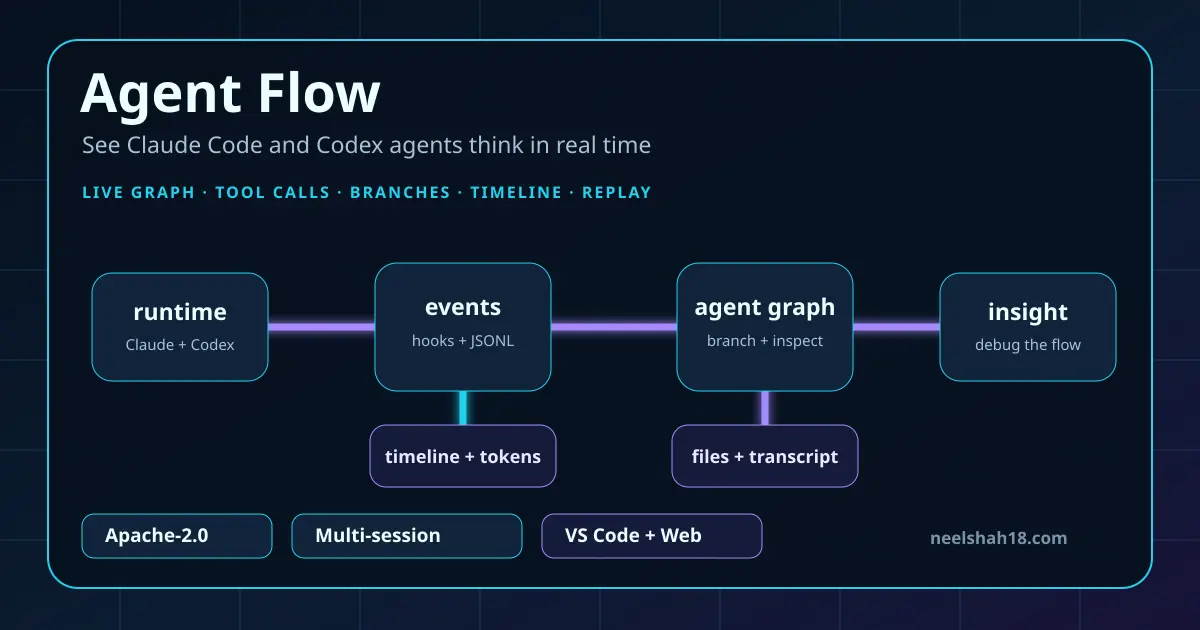
Agent Flow: See Claude Code and Codex Agents Think in Real Time
A practical guide to patoles/agent-flow, the Apache-2.0 visualizer that turns Claude Code hooks and Codex rollout logs into live agent graphs, timelines, transcripts, file-attention maps, and replayable sessions.
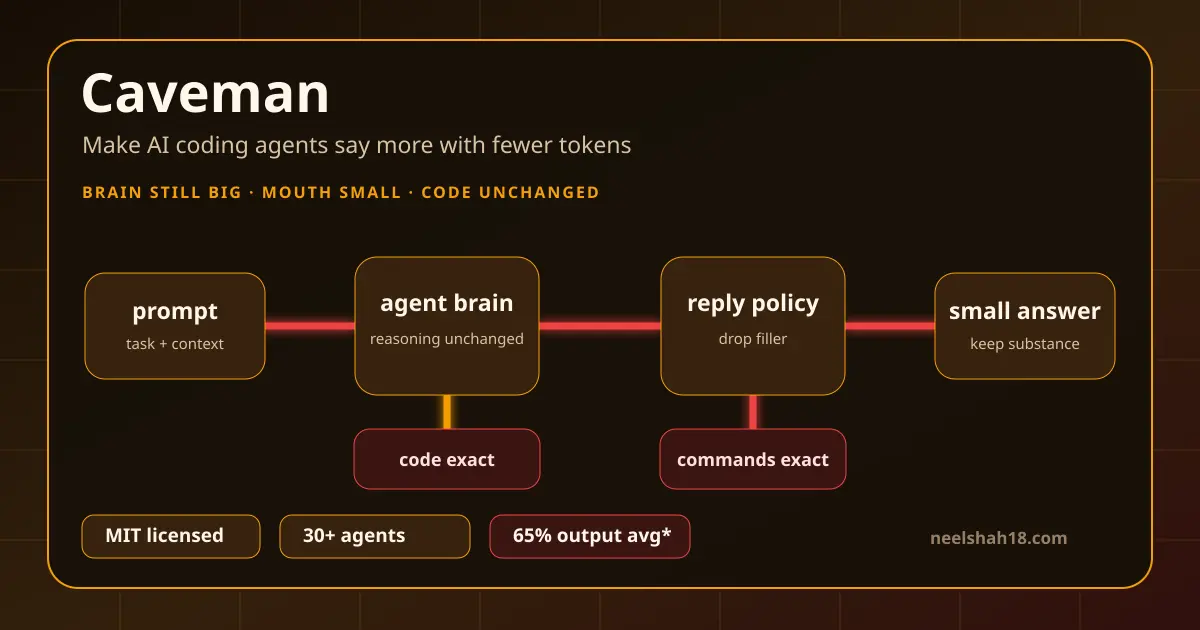
Caveman: Make AI Coding Agents Say More with Fewer Tokens
A practical guide to JuliusBrussee/caveman, the MIT-licensed skill and plugin that compresses AI coding-agent replies, preserves code and commands, supports 30+ agents, measures output savings, and can shrink persistent memory files.
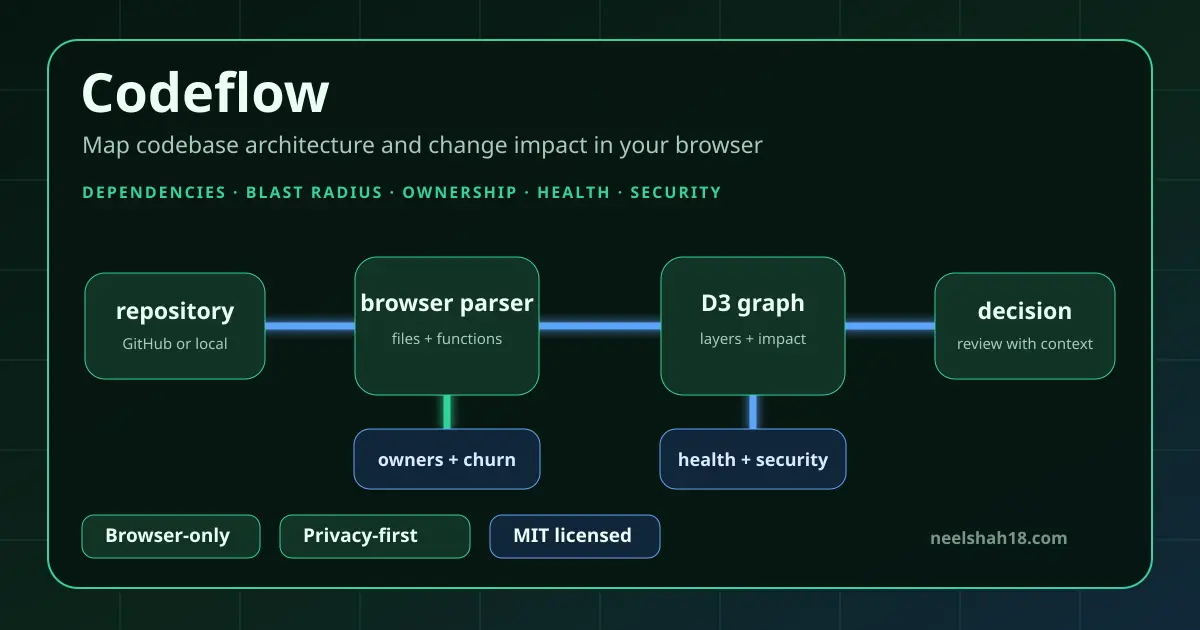
Codeflow: Map Codebase Architecture and Change Impact in Your Browser
A practical guide to braedonsaunders/codeflow, the privacy-first browser tool that maps repository dependencies, blast radius, ownership, security findings, health metrics, PR impact, and Markdown links without a backend.
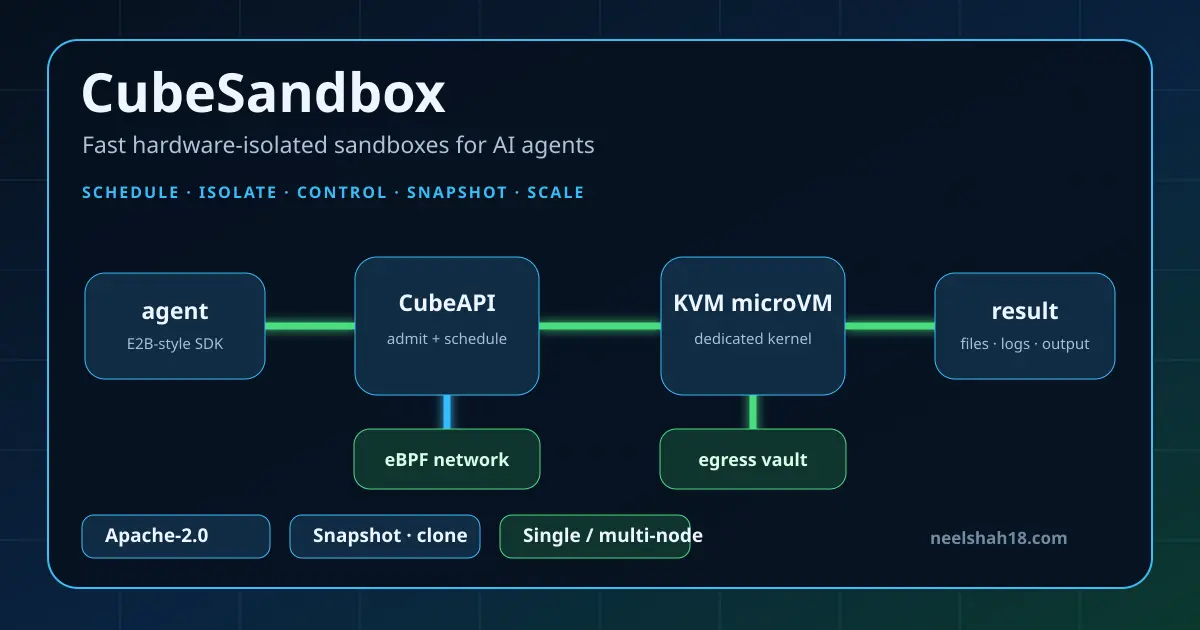
CubeSandbox: Fast KVM MicroVM Sandboxes for AI Agents
A practical guide to TencentCloud/CubeSandbox, the Apache-2.0 sandbox platform that combines RustVMM/KVM isolation, E2B-compatible APIs, eBPF networking, controlled egress, snapshots, and multi-node orchestration for AI agents.
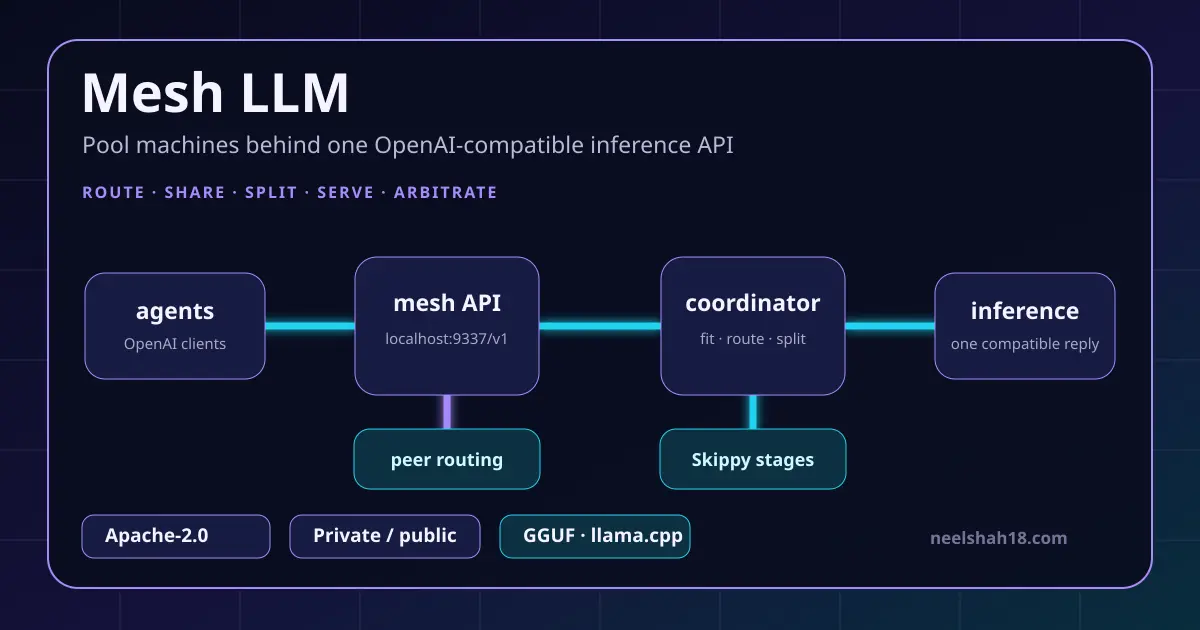
Mesh LLM: Pool Machines into One Distributed OpenAI-Compatible API
A practical guide to Mesh-LLM/mesh-llm, the Apache-2.0 distributed inference runtime that pools heterogeneous machines, routes models across peers, splits oversized GGUF models into Skippy stages, and exposes one OpenAI-compatible API.
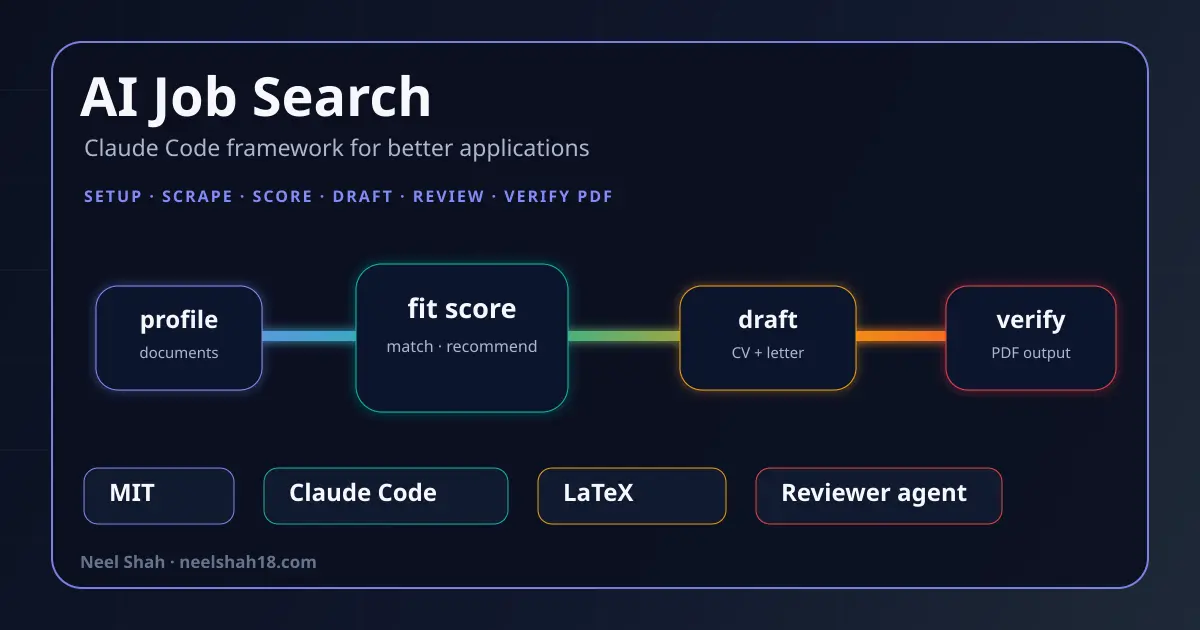
AI Job Search: A Claude Code Framework for Better Applications
A practical guide to MadsLorentzen/ai-job-search, the MIT-licensed Claude Code workflow that evaluates job fit, tailors CVs, writes cover letters, verifies PDFs, searches job portals, and prepares candidates for interviews.
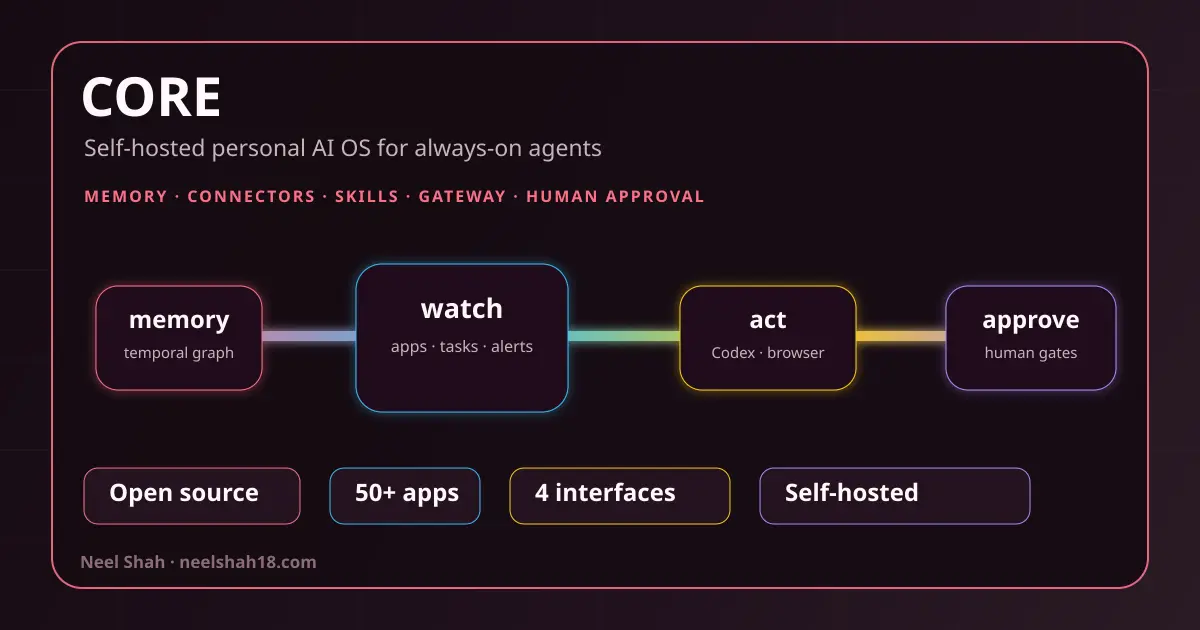
CORE: A Self-Hosted Personal AI OS for Always-On Agents
A practical guide to RedPlanetHQ/core, the open-source personal AI OS that combines temporal memory, proactive task watching, 50+ app connectors, skills, voice and messaging surfaces, and a gateway for Claude Code, Codex, browser, and terminal work.
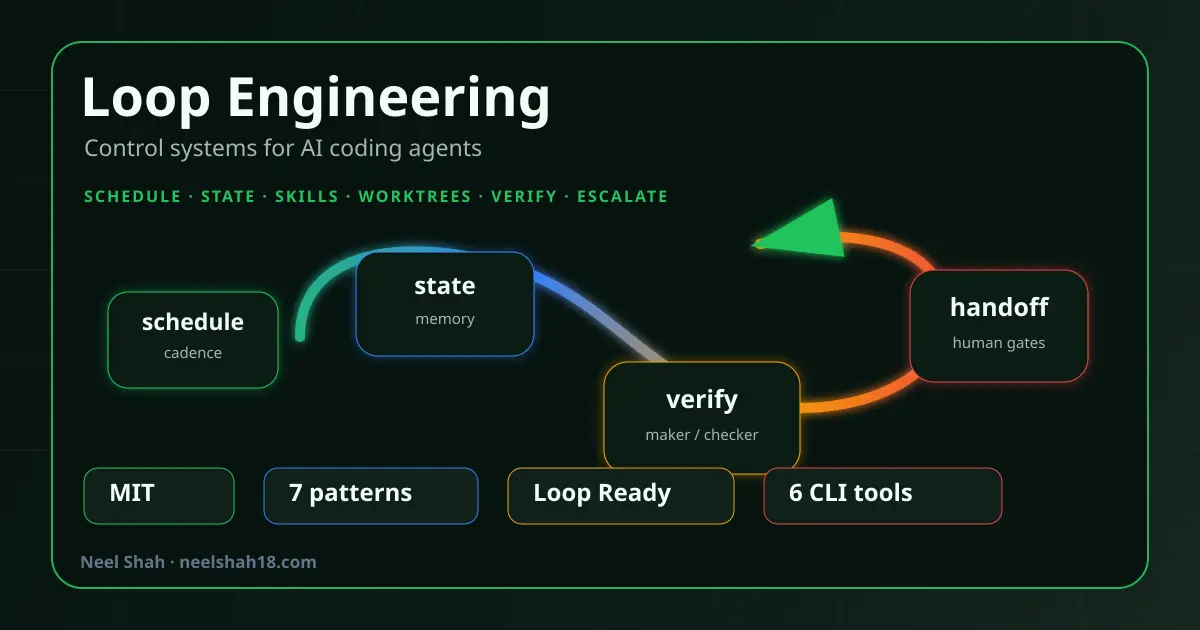
Loop Engineering: Control Systems for AI Coding Agents
A practical guide to cobusgreyling/loop-engineering, the MIT-licensed reference repo for designing recurring AI coding-agent loops with scheduling, state, skills, worktrees, verification, budgets, and CLI tooling.
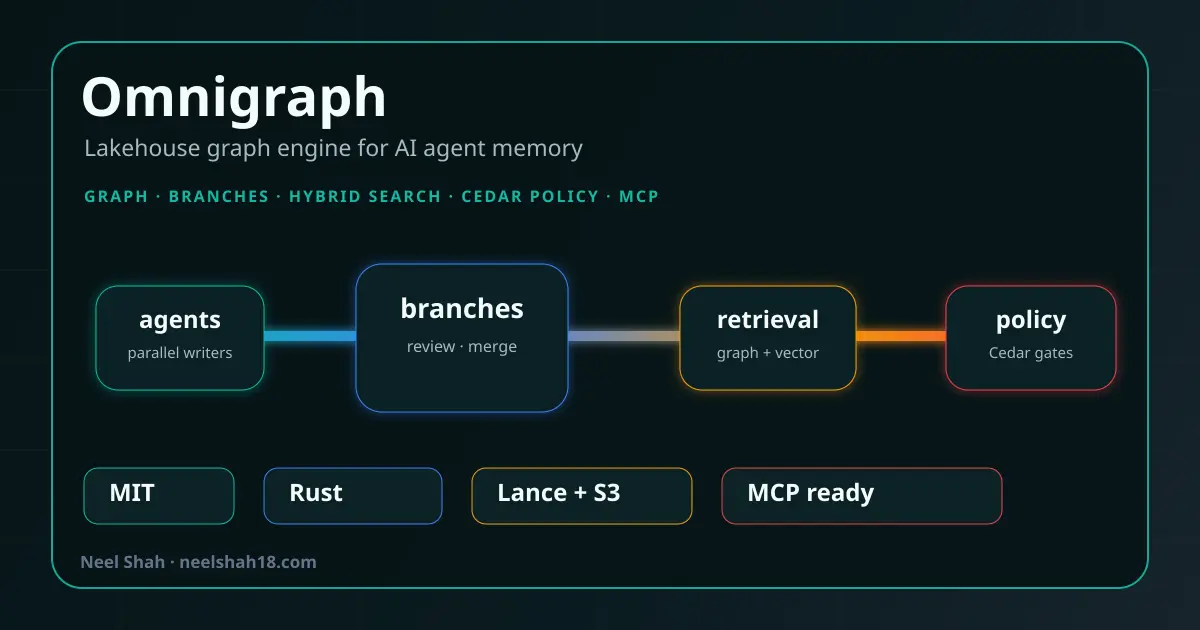
Omnigraph: A Lakehouse Graph Engine for AI Agent Memory
A practical guide to ModernRelay/omnigraph, the MIT-licensed lakehouse graph database for context assembly, multi-agent coordination, Git-style graph branches, multimodal retrieval, Cedar policy, and object-storage-native deployments.
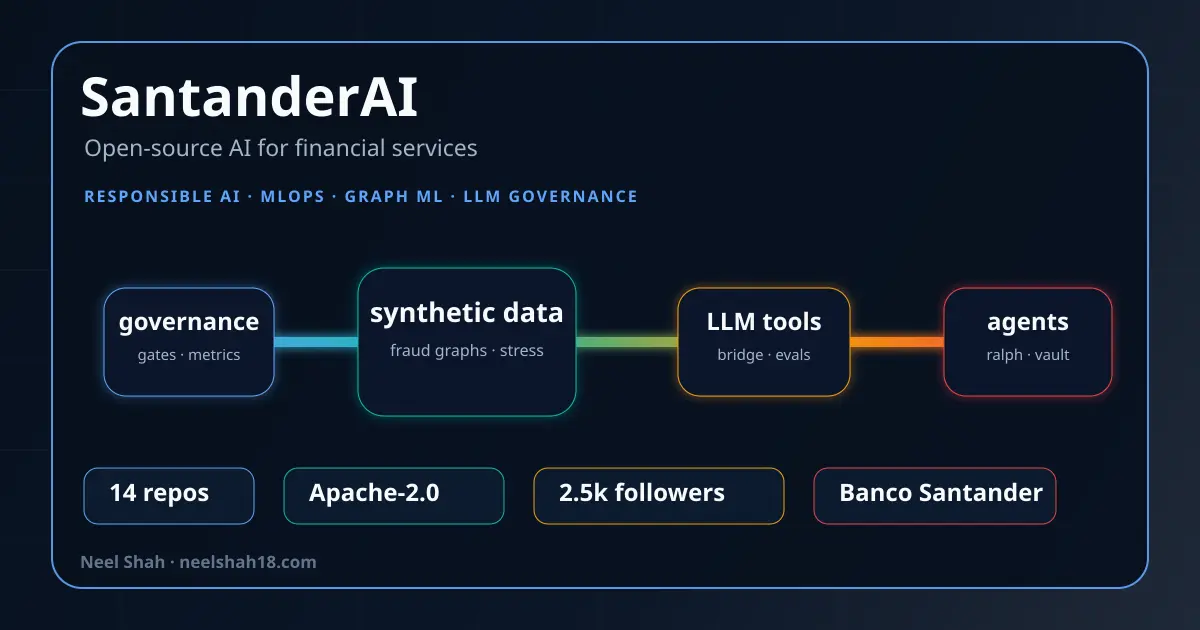
SantanderAI: Open-Source AI for Financial Services
A practical look at Santander AI Open Source, Banco Santander AI Lab's Apache-2.0 portfolio covering responsible AI, MLOps, graph ML, LLM evaluation, guardrails, and synthetic fraud data.
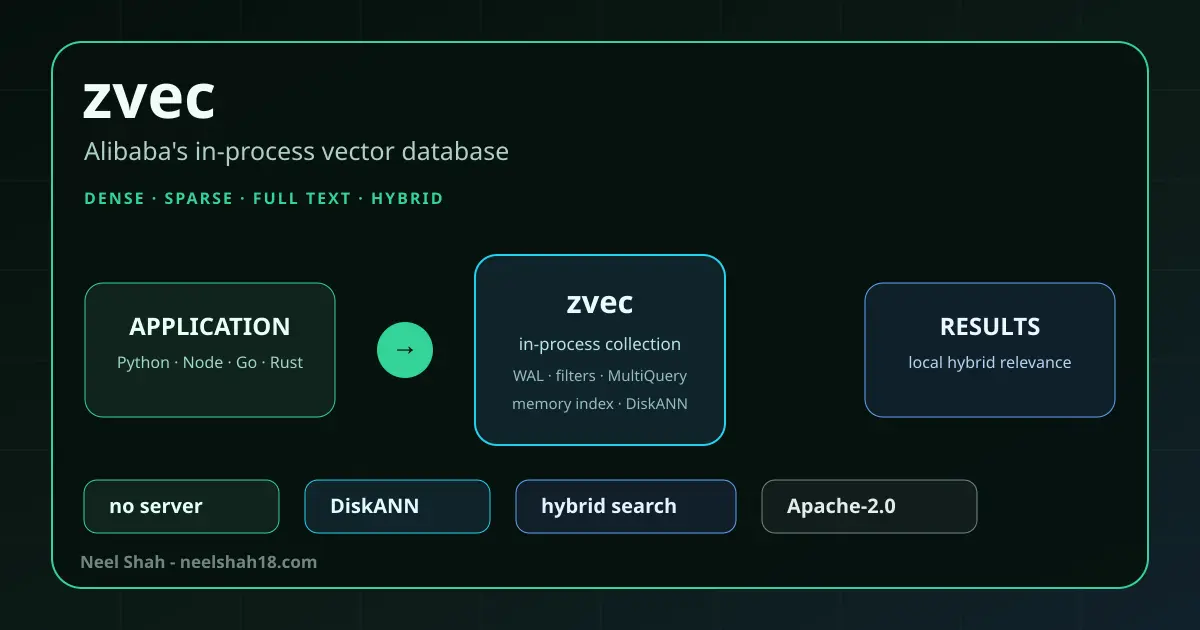
Alibaba zvec: An In-Process Vector Database for Local Hybrid Search
A practical guide to Alibaba's Apache-2.0 zvec database: embedded dense and sparse vector search, full-text retrieval, scalar filters, hybrid queries, WAL durability, and DiskANN without operating a separate server.
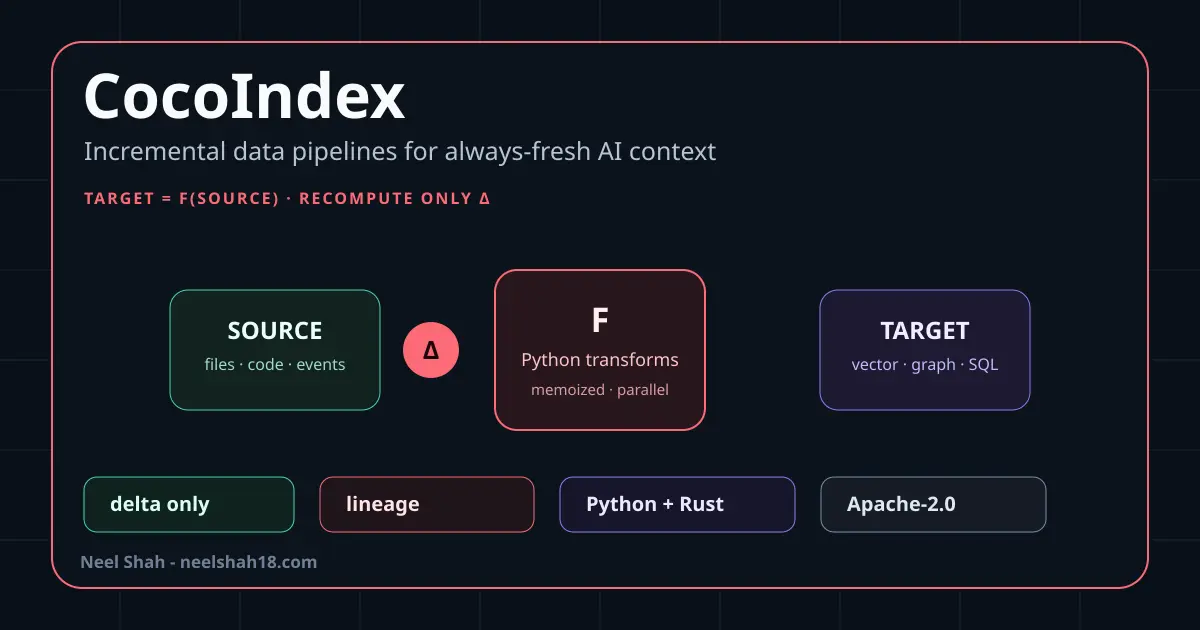
CocoIndex: Incremental Data Pipelines for Always-Fresh AI Agent Context
A practical guide to CocoIndex, the Apache-2.0 Python framework with a Rust core that incrementally transforms code, documents, media, and events into fresh vector, graph, relational, and streaming data for AI agents.
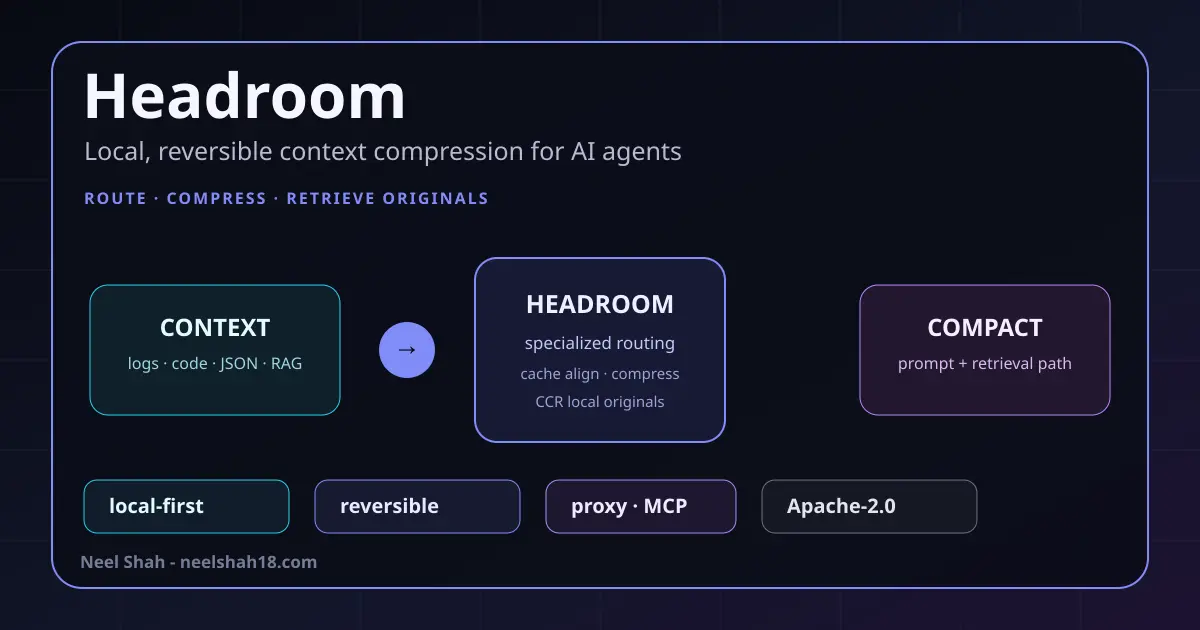
Headroom: Local, Reversible Context Compression for AI Agents
A practical guide to Headroom, the Apache-2.0 context compression layer that routes JSON, code, logs, RAG results, files, and conversation history through specialized local compressors before they reach an LLM.
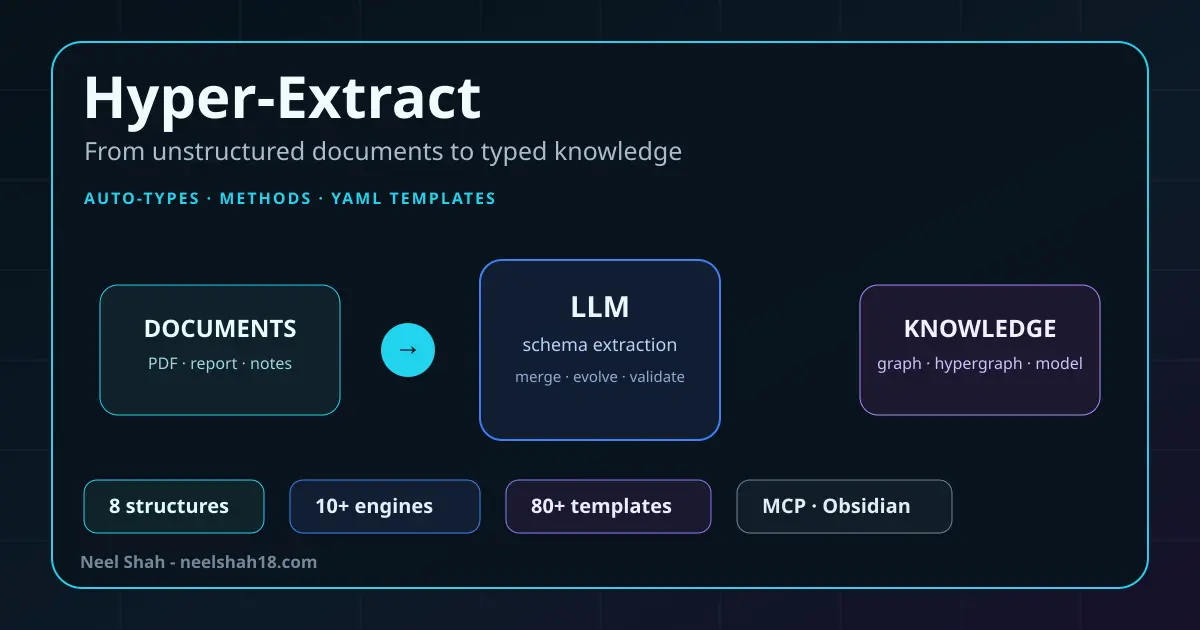
Hyper-Extract: Turn Unstructured Documents into Typed Knowledge
A practical guide to Hyper-Extract, the Apache-2.0 Python CLI that uses LLMs, typed schemas, extraction engines, and YAML templates to build collections, models, knowledge graphs, hypergraphs, and spatio-temporal knowledge.
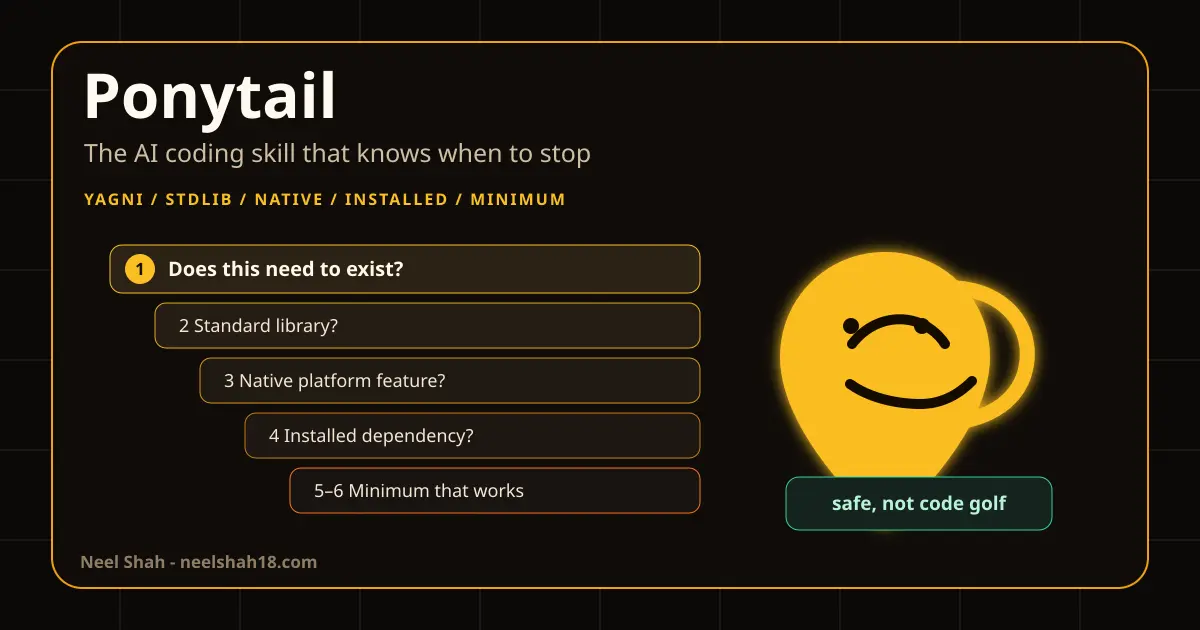
Ponytail: The AI Coding Skill That Stops Before It Over-Engineers
A practical guide to DietrichGebert/ponytail, the MIT-licensed skill and plugin that teaches coding agents to prefer YAGNI, standard libraries, native platform features, and the minimum safe implementation.
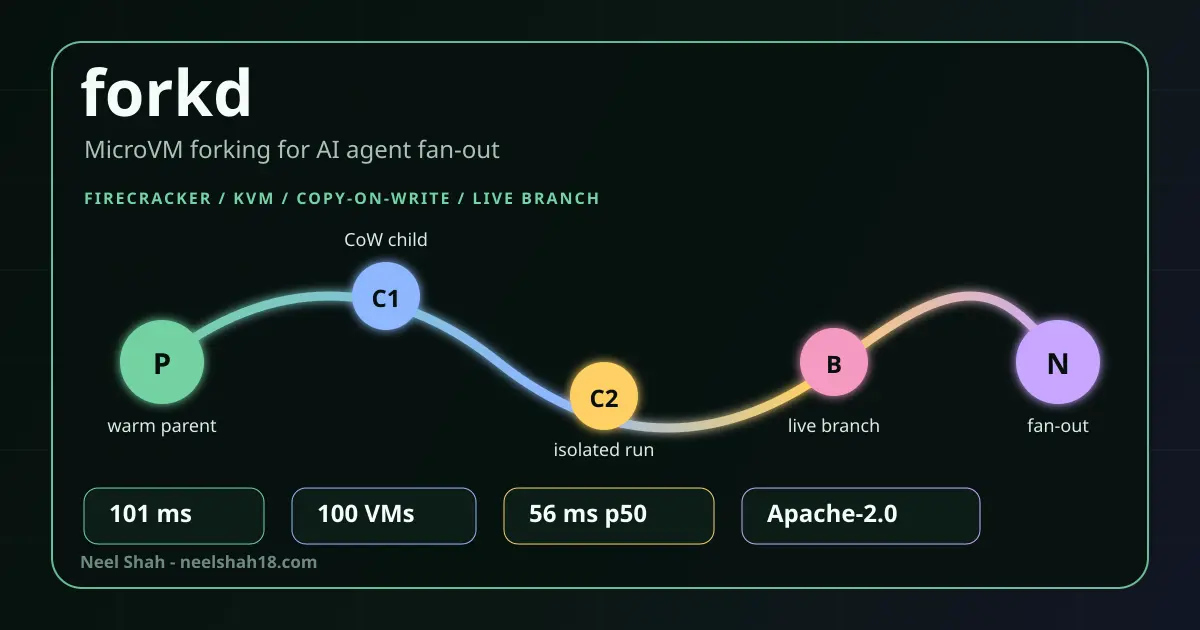
forkd: MicroVM Forking for AI Agent Fan-Out
A practical guide to deeplethe/forkd, the Apache-2.0 Firecracker-based microVM runtime that forks warmed sandboxes for AI agents, code interpreters, evals, and isolated tool execution.
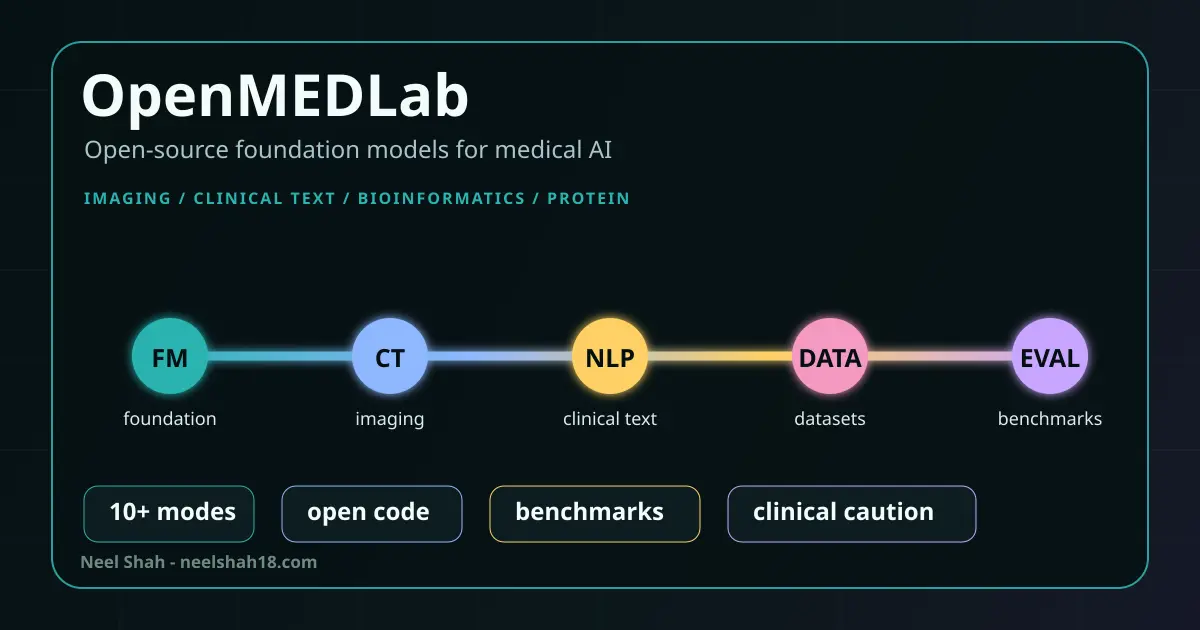
OpenMEDLab: Open-Source Foundation Models for Medical AI
A practical guide to OpenMEDLab, the open-source platform collecting medical foundation models, datasets, benchmarks, and code across imaging, clinical text, pathology, protein, and multimodal healthcare AI.
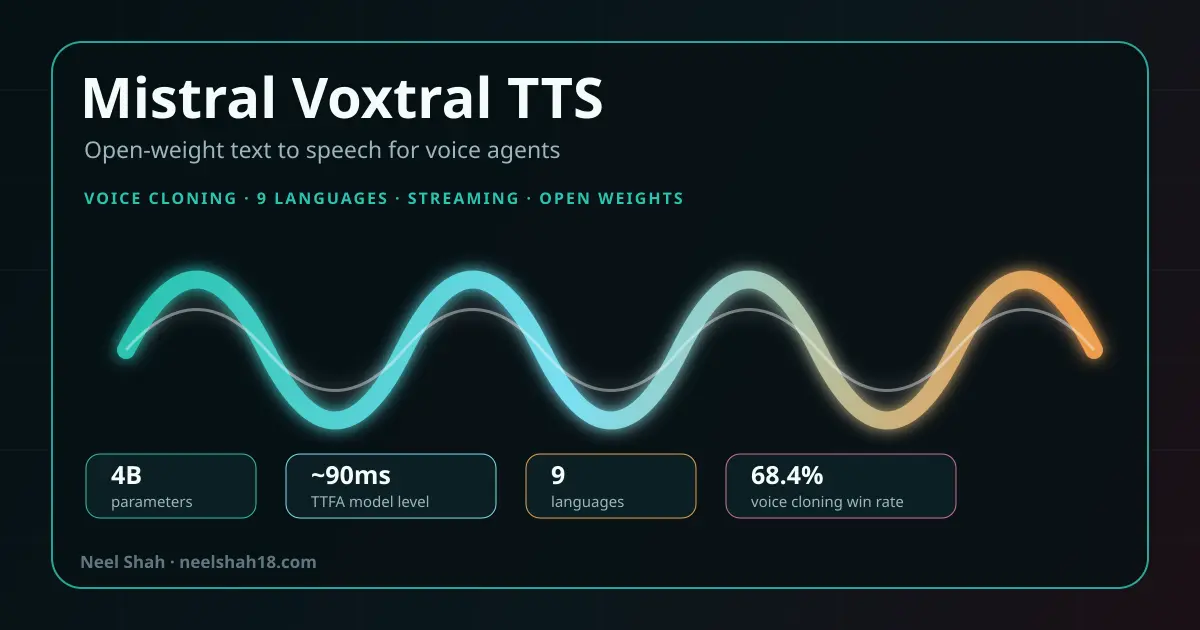
Mistral Voxtral TTS: Open-Weight Text to Speech for Voice Agents
A practical look at Mistral's Voxtral TTS: a 4B open-weight text-to-speech model with zero-shot voice cloning, nine-language support, low-latency streaming, and real tradeoffs for builders.
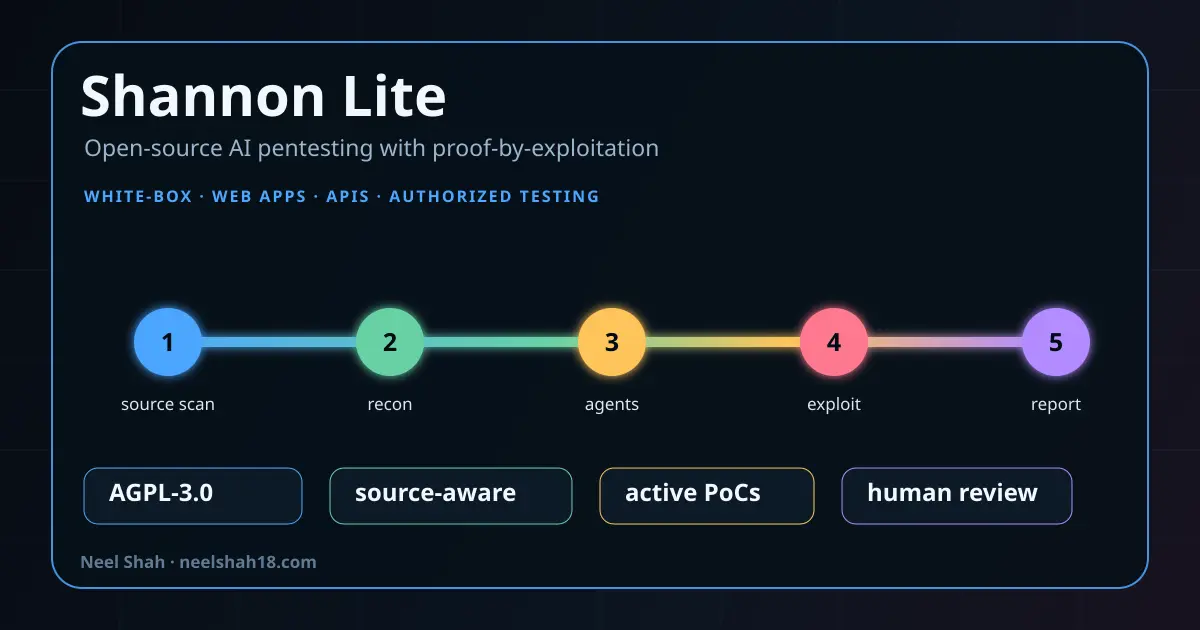
Shannon Lite: Open-Source AI Pentesting That Proves Exploits
A practical guide to Keygraph's Shannon Lite, the AGPL-3.0 open-source AI pentester that combines source-code analysis with live exploitation for authorized web app and API testing.
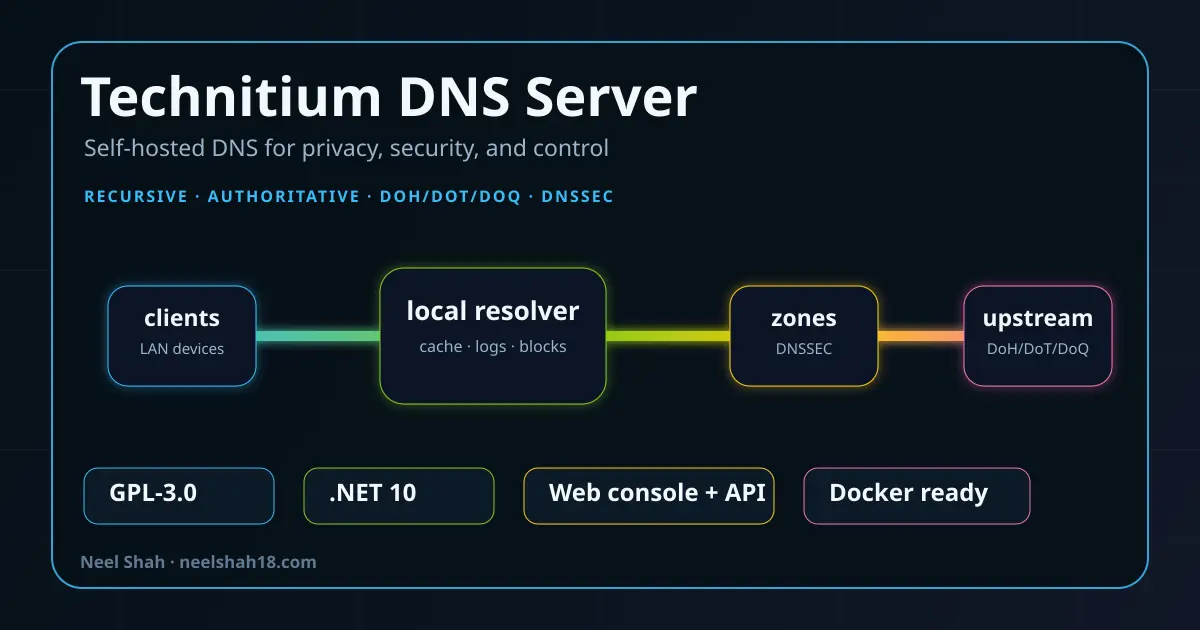
Technitium DNS Server: Self-Hosted DNS for Privacy, Security, and Control
A practical guide to TechnitiumSoftware/DnsServer: the open-source authoritative and recursive DNS server with encrypted forwarders, DNS-level blocking, DHCP, clustering, DNSSEC, and a web console.
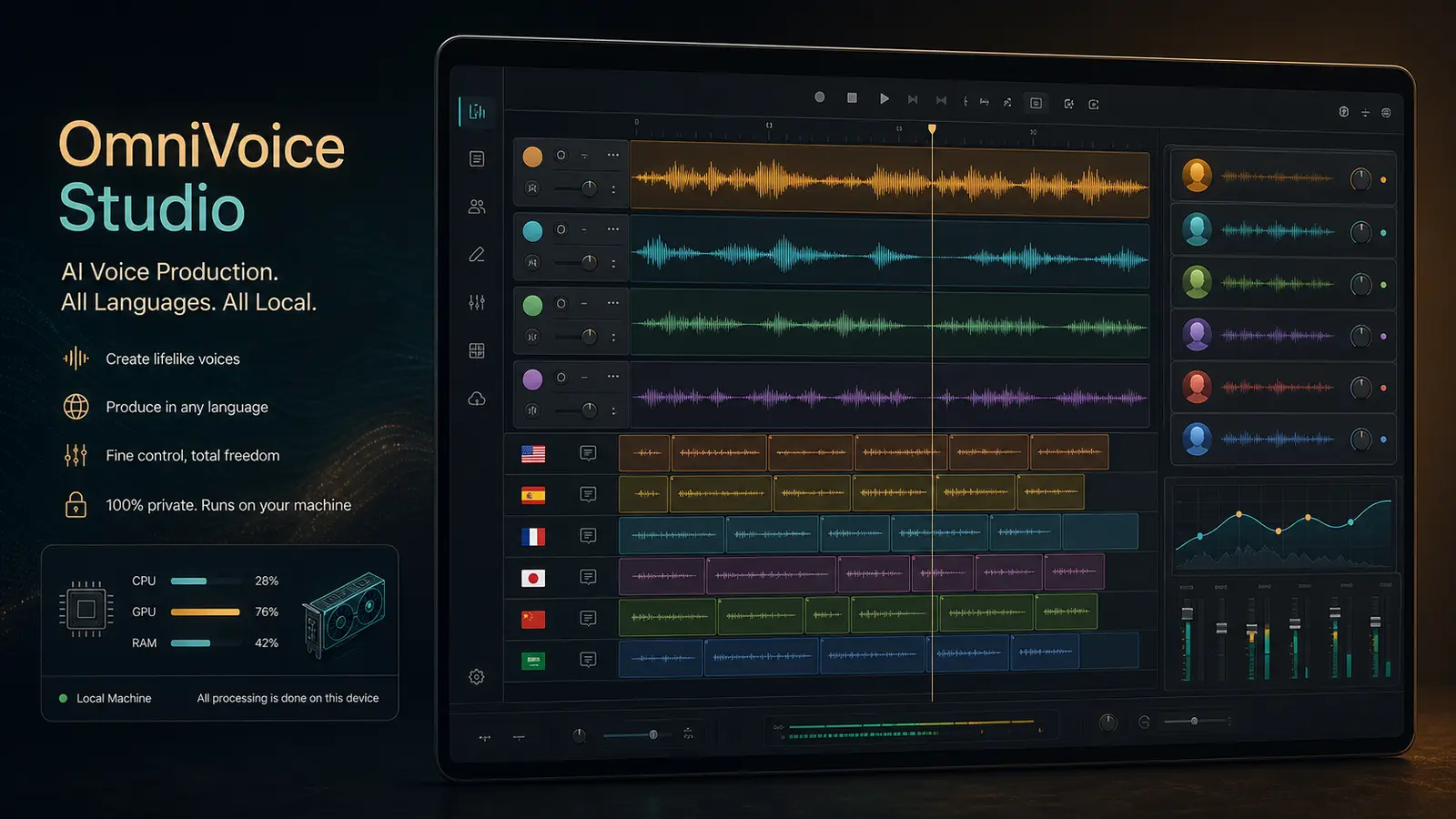
OmniVoice Studio: Local Voice Cloning, Dictation, and Dubbing Without the Cloud
A practical look at OmniVoice Studio, the open-source desktop app that wraps OmniVoice, WhisperX, Demucs, Pyannote, and AudioSeal into a local voice-production workflow for cloning, dictation, and video dubbing.
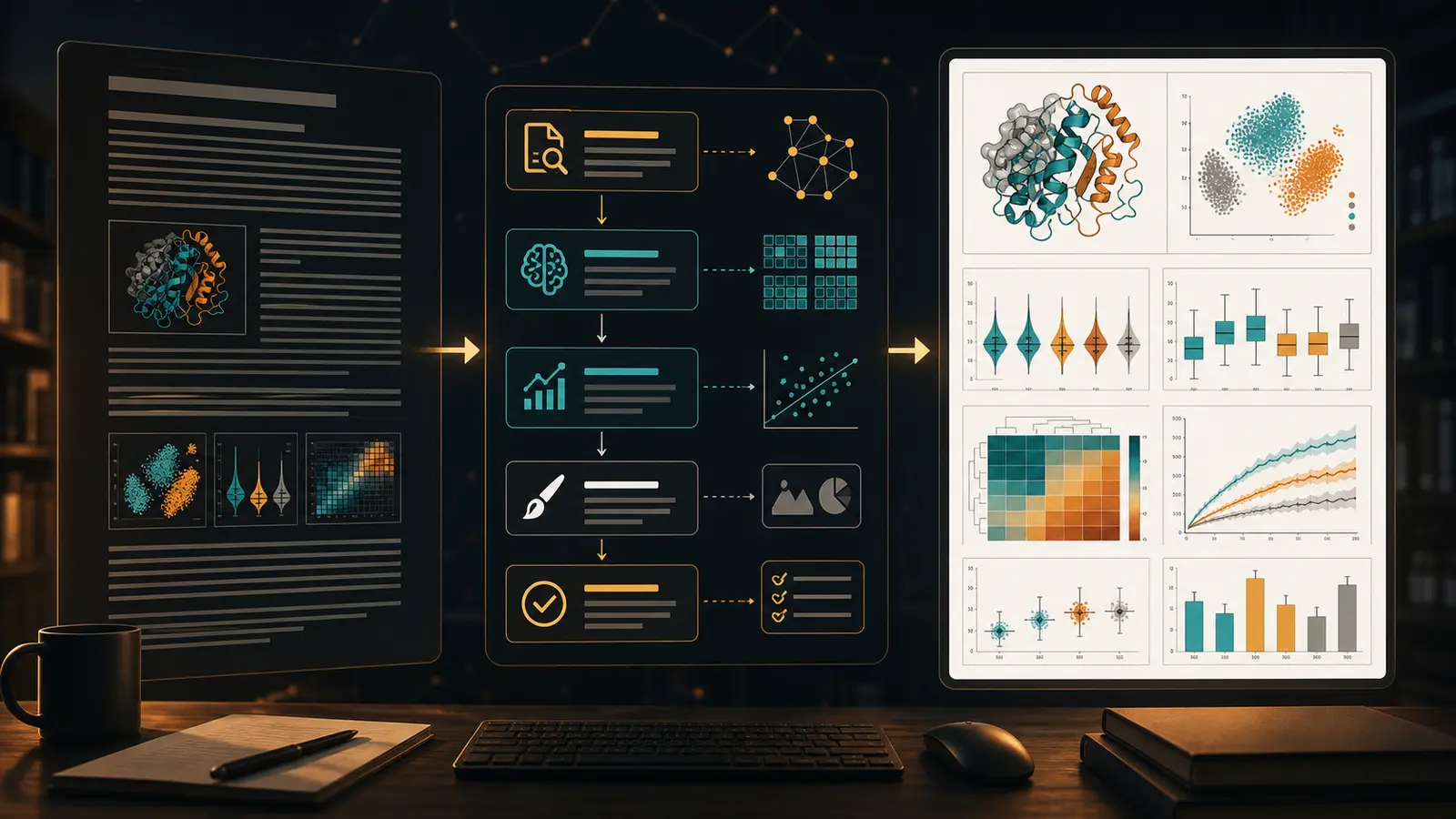
PaperBanana: Turning Research Papers into Publication-Ready Scientific Figures
A practical guide to PaperBanana, the academic-figure generation framework that extracts ideas from research papers, plans figure layouts, generates graphics, and evaluates whether the result communicates the science.
When Does LeJEPA Learn a World Model?
A practical reading of Klindt, LeCun, and Balestriero's LeJEPA identifiability paper: why Gaussian latent worlds matter, what linear identifiability guarantees, how Lean 4 verification changes the trust story, and what the released code includes.
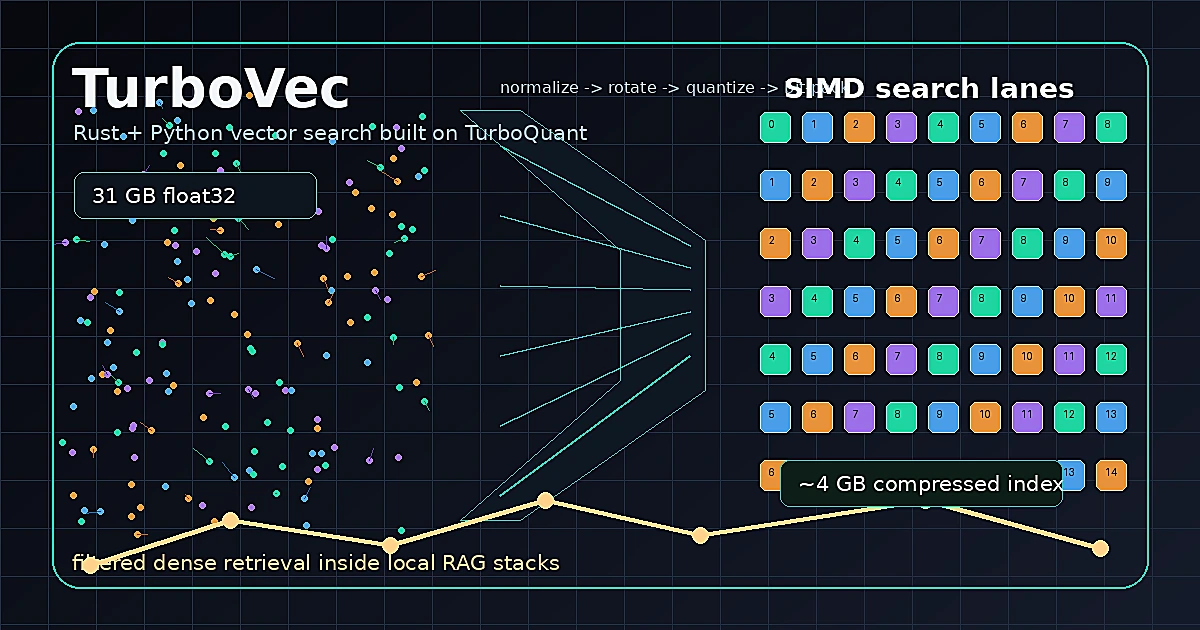
TurboVec: Rust and Python Vector Search Built on TurboQuant
A practical look at RyanCodrai/turbovec: a local vector index that compresses embeddings with TurboQuant, keeps Python ergonomics, uses Rust/SIMD for search, and makes filtered retrieval a first-class RAG primitive.
Floci: A Practical Guide to the Free Local AWS Emulator
A hands-on user guide to Floci, the free open-source local AWS emulator: quick start, LocalStack migration, storage modes, multi-account isolation, SDK setup, Testcontainers, and where its real Docker-backed services matter.
Mirage: A Practical Guide to the Virtual Filesystem for AI Agents
A long-form user guide to Mirage by Strukto AI: install it, mount services into one filesystem, run shell-style commands across S3, GitHub, Slack, databases, cache remote reads, snapshot agent runs, and understand the limits.
UI-TARS Desktop: A Practical Guide to Native GUI Agents for Computer Use
A hands-on learning guide to ByteDance UI-TARS Desktop: what it is, how local and remote computer/browser operators work, setup, model configuration, safety boundaries, SDK concepts, and practical workflows.
agentmemory: Persistent Memory for AI Coding Agents via MCP and Hooks
agentmemory gives AI coding agents persistent memory through MCP and lifecycle hooks — 95.2% R@5 retrieval, 92% fewer tokens, zero external databases.
OpenHuman: A Local-First AI Agent with Memory Trees and Persistent Integrations
OpenHuman is an open-source Tauri/Rust desktop agent that builds a persistent memory tree from 118+ OAuth sources, compresses context via TokenJuice, and routes tasks across LLMs automatically.
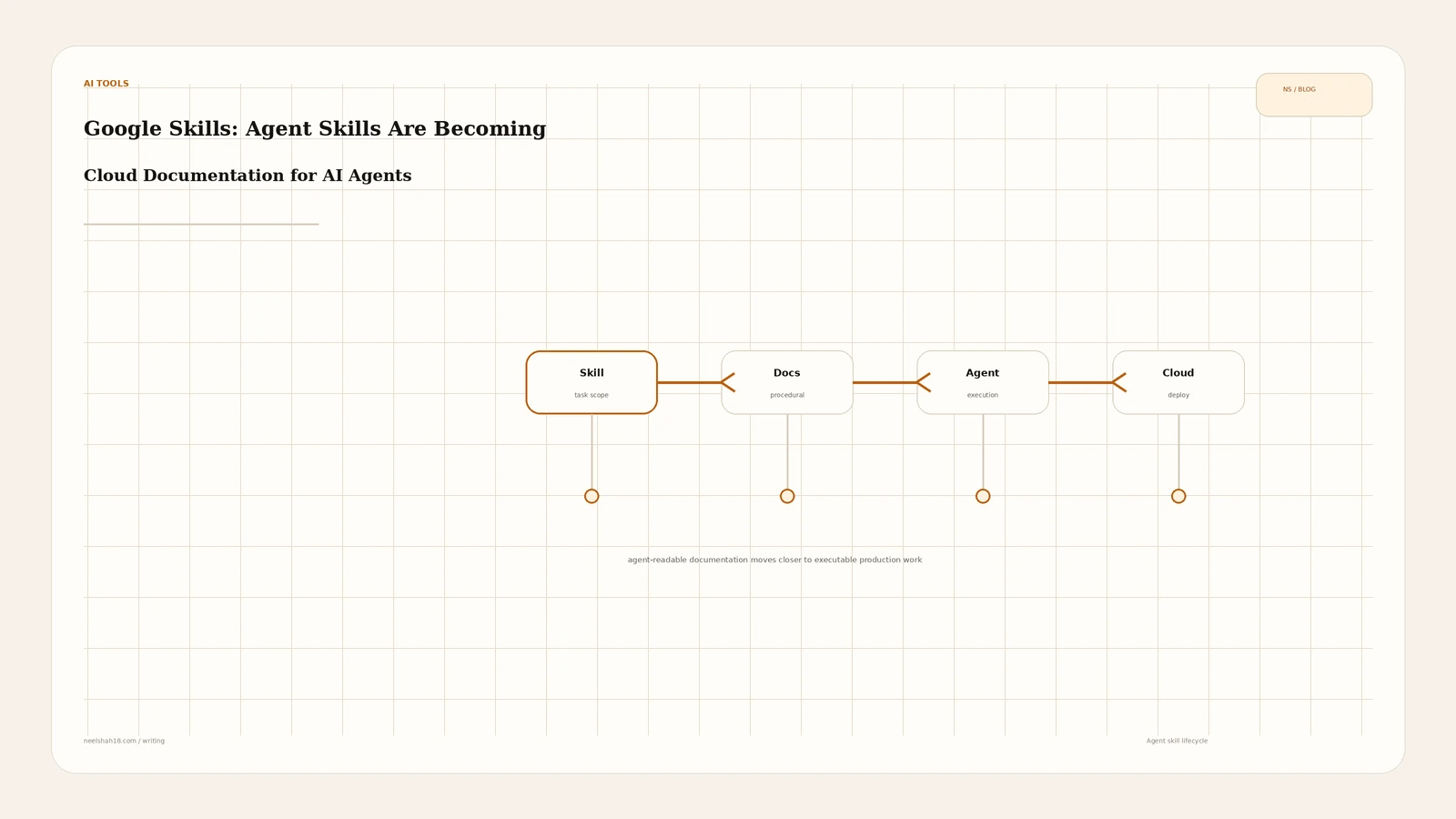
Google Skills: Agent Skills Are Becoming Cloud Documentation for AI Agents
Google's google/skills repository turns Google Cloud and Gemini guidance into installable Agent Skills. It is small today, but it shows where AI-agent documentation is heading: task-scoped, executable, and closer to production workflows.
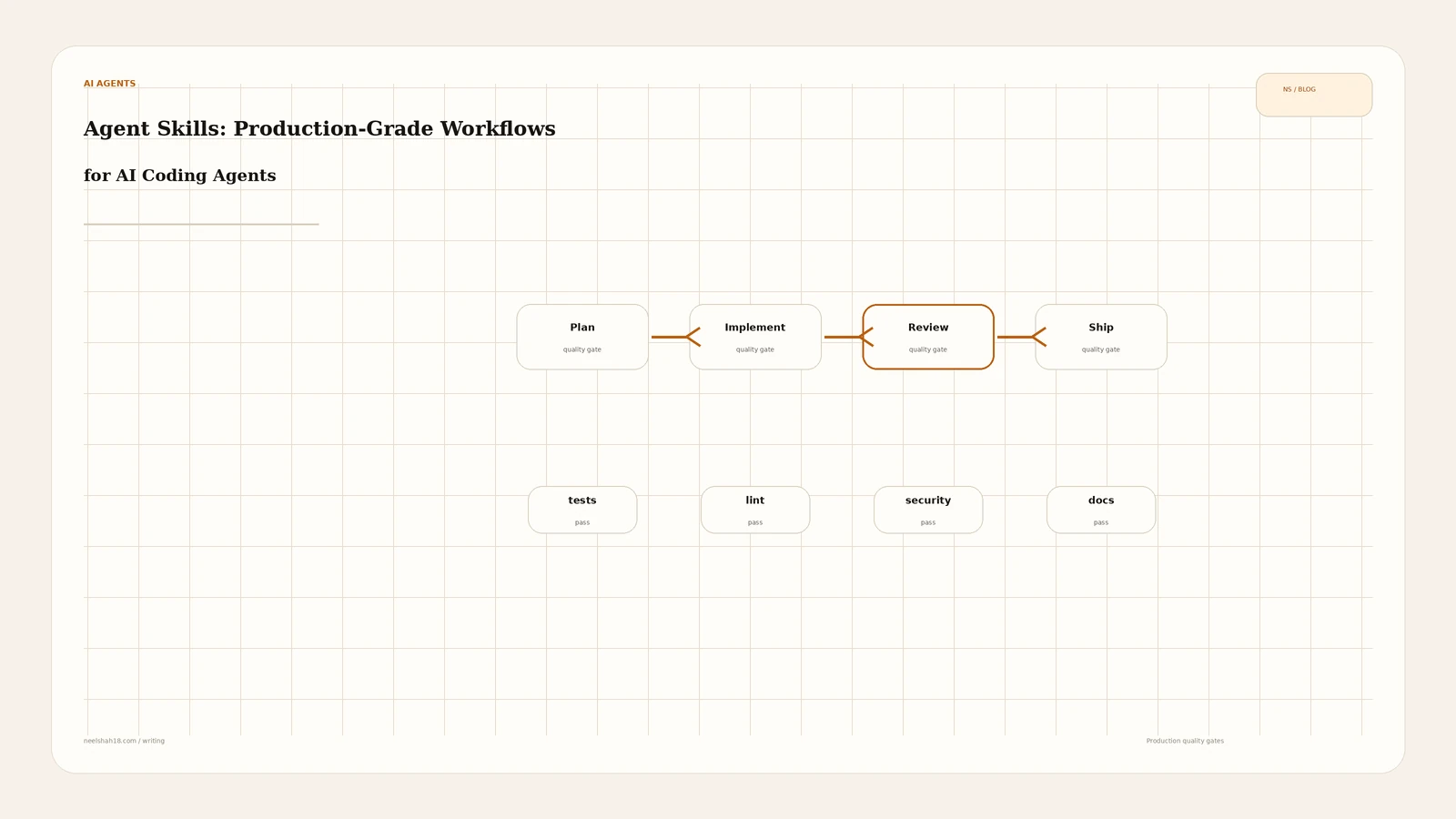
Agent Skills: Production-Grade Workflows for AI Coding Agents
A practical look at Addy Osmani's agent-skills project — 20 reusable engineering skills, 7 lifecycle commands, agent personas, and quality gates for making AI coding agents behave more like senior engineers.
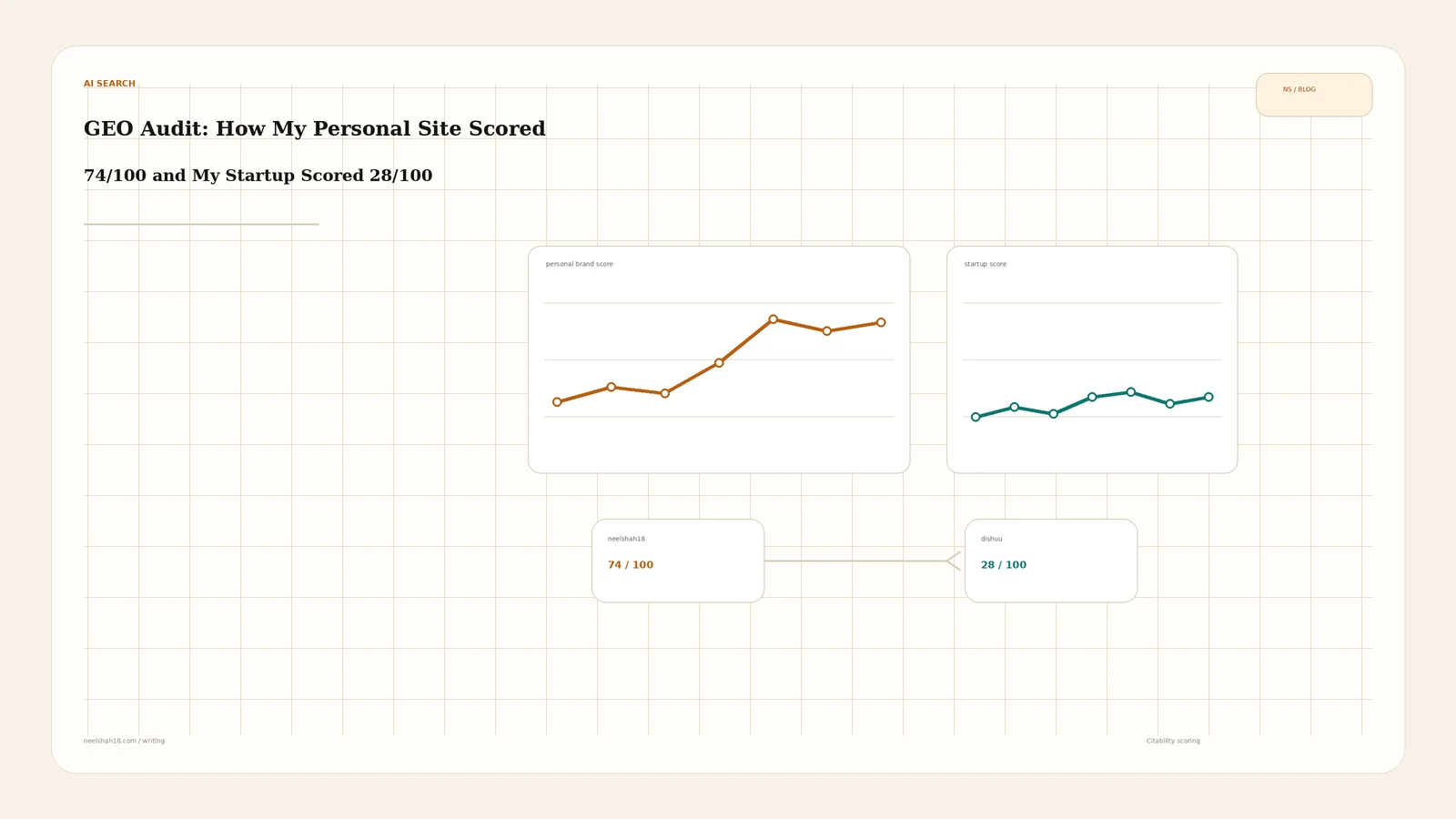
GEO Audit: How My Personal Site Scored 74/100 and My Startup Scored 28/100
A full Generative Engine Optimization audit of neelshah18.com and dishuu.com — what AI systems found, what was broken, what we fixed, and what the gap between a personal brand and a startup looks like through the lens of AI citability.
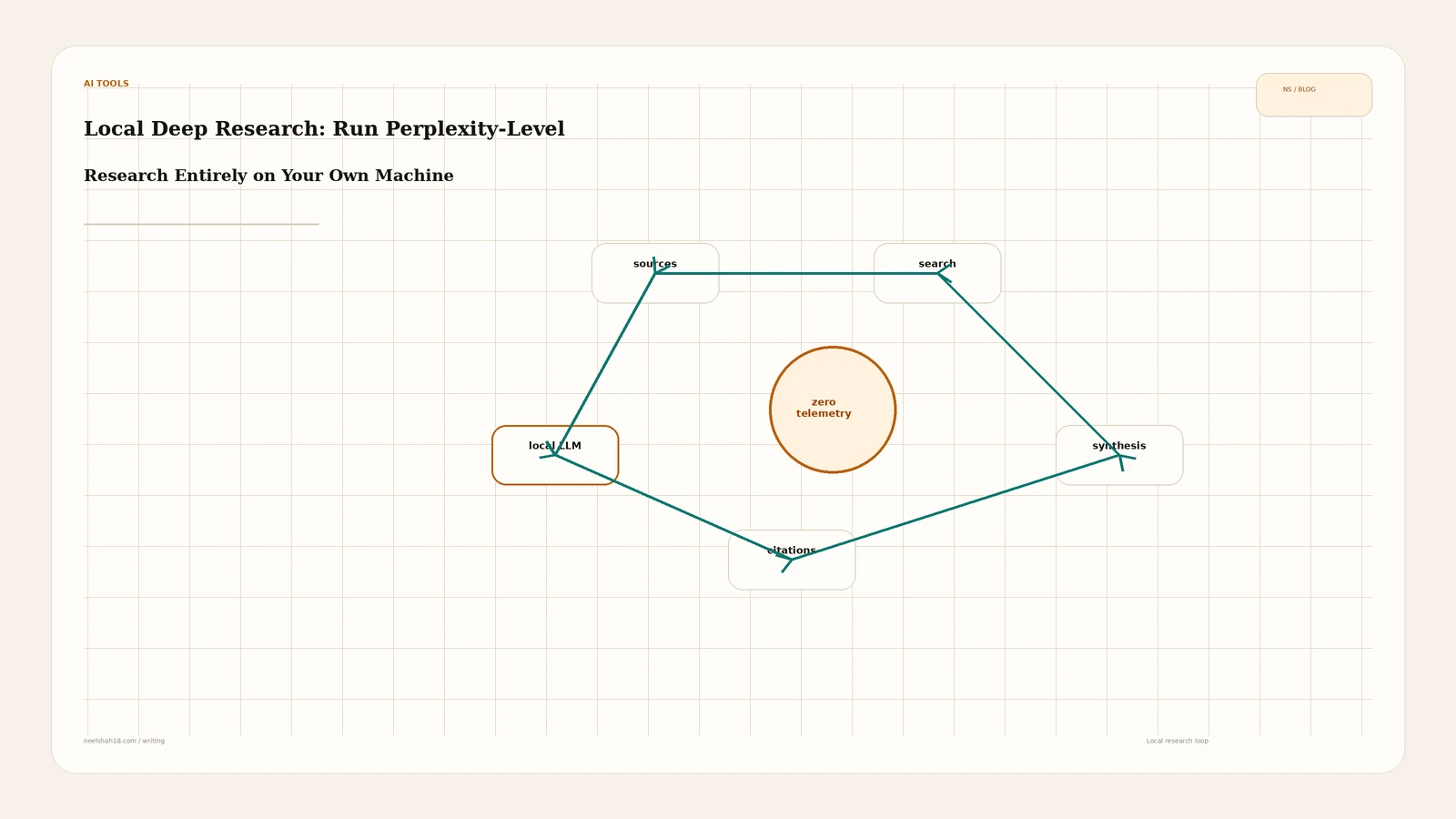
Local Deep Research: Run Perplexity-Level Research Entirely on Your Own Machine
Local Deep Research (LDR) is an open-source AI research assistant that searches the web, academic databases, and your own documents — then synthesizes everything into cited reports. Fully local, zero telemetry, any LLM.
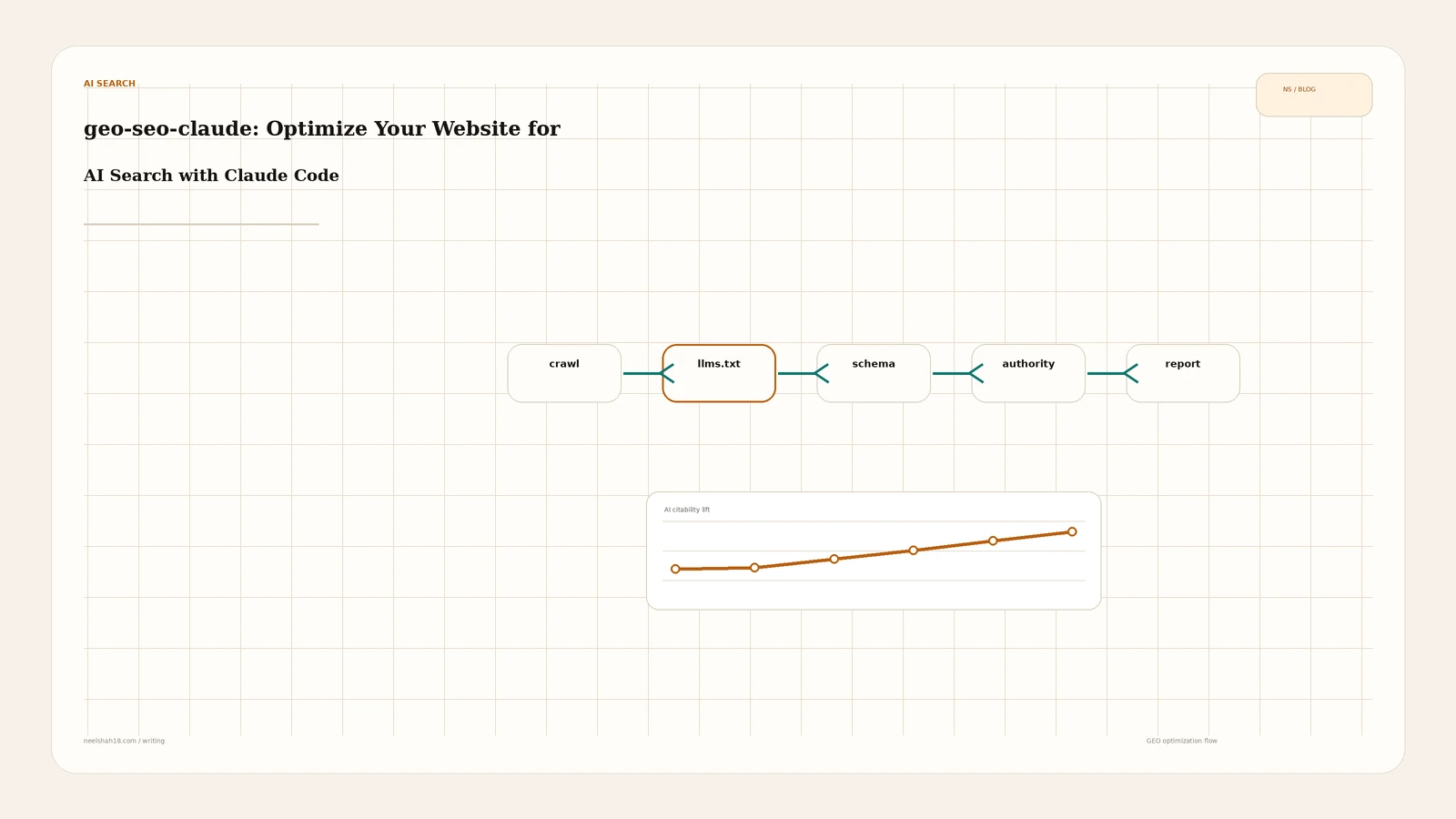
geo-seo-claude: Optimize Your Website for AI Search with Claude Code
A complete guide to geo-seo-claude by Zubair Trabzada — the GEO-first SEO skill for Claude Code. Covers AI citability scoring, crawler access, llms.txt generation, brand authority, schema markup, and PDF reporting.
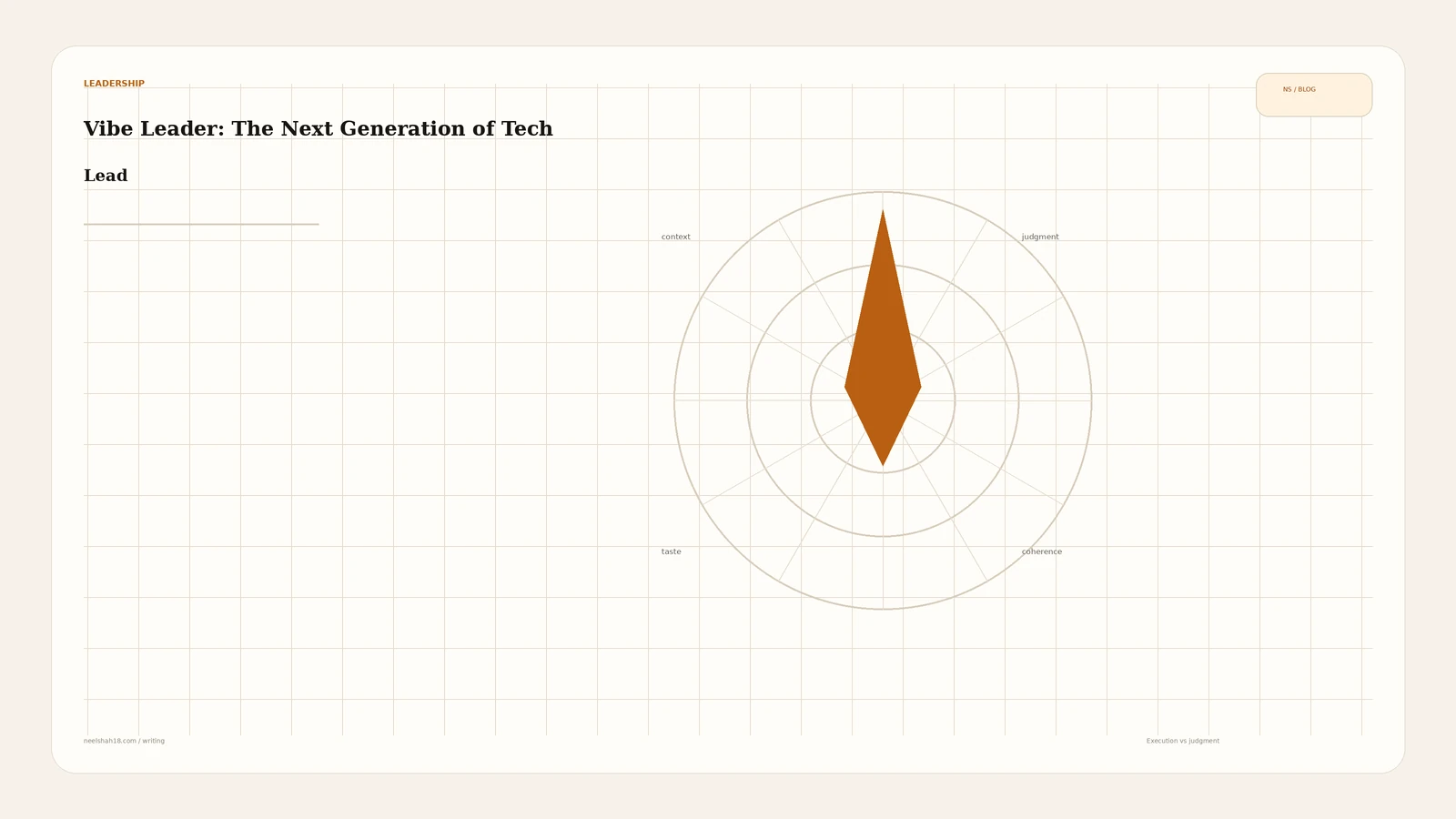
Vibe Leader: The Next Generation of Tech Lead
AI tools automated the execution layer of software engineering. What remains — judgment, context, coherence — defines a new kind of leader. Introducing the Vibe Leader.
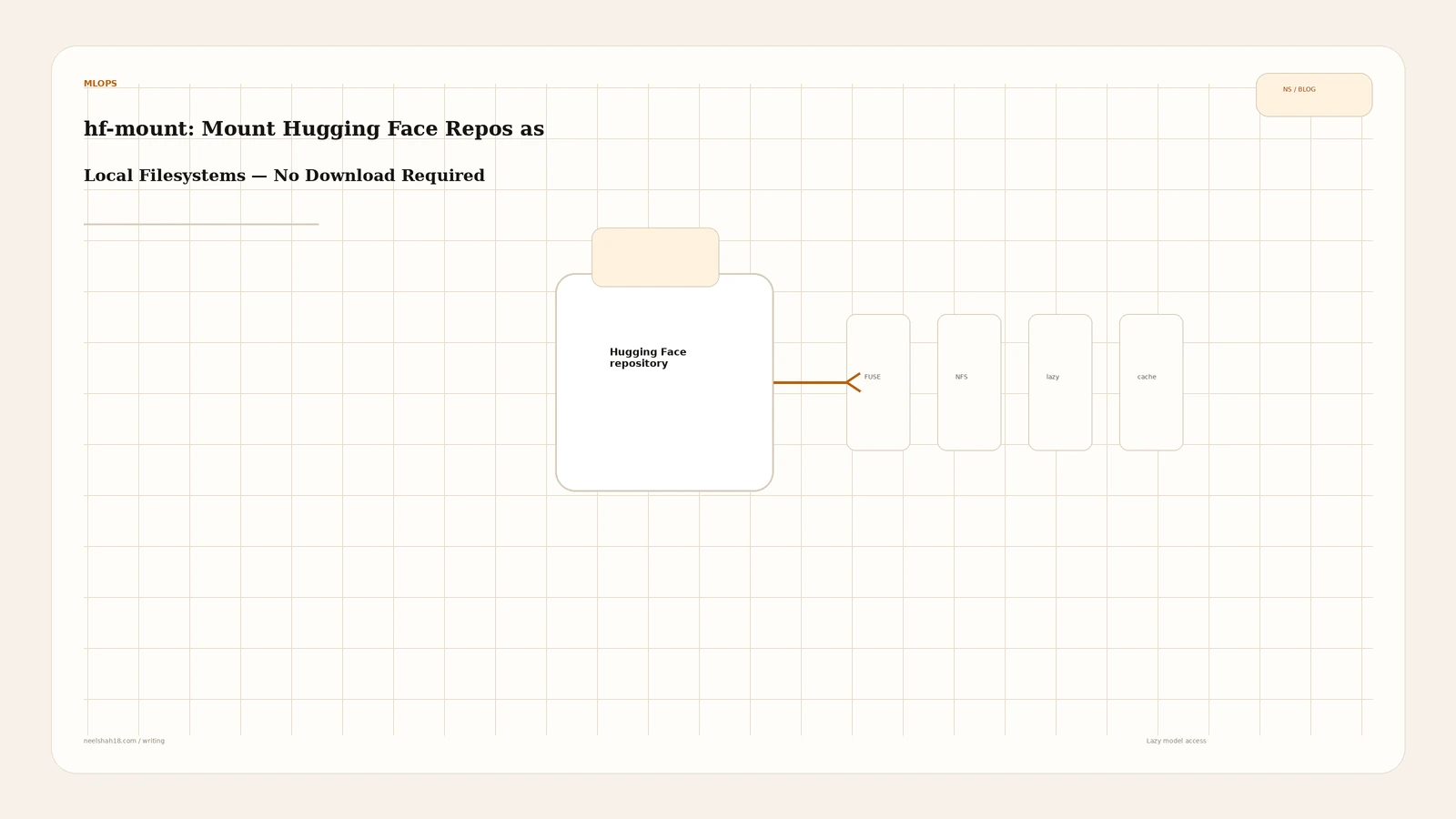
hf-mount: Mount Hugging Face Repos as Local Filesystems — No Download Required
hf-mount lets you browse and use Hugging Face models and datasets directly as local files using FUSE or NFS — with zero upfront download, lazy fetching, and on-demand streaming. Here's everything you need to know.
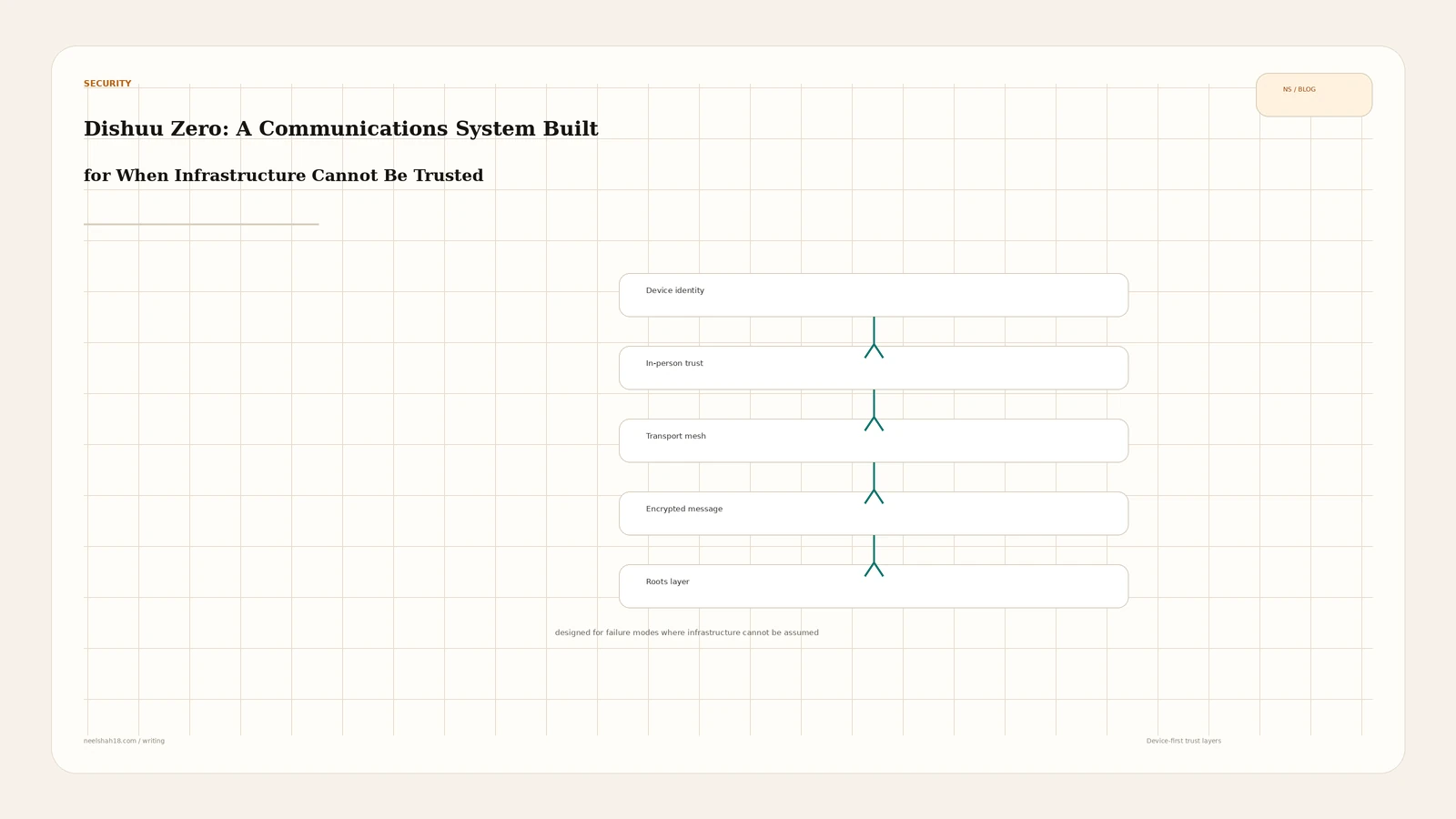
Dishuu Zero: A Communications System Built for When Infrastructure Cannot Be Trusted
A deep dive into the Dishuu Zero public white paper — exploring its device-first architecture, in-person trust model, layered security, multi-transport stack, and the Roots relationship layer that makes communication feel alive.
Anthropic Found 171 Emotion Vectors Inside Claude — Here's What They Actually Mean
Anthropic's interpretability team mapped 171 emotion-like neural representations inside Claude Sonnet 4.5 and showed they causally shape behavior. What the research found, what it doesn't claim, and why it matters for AI safety.
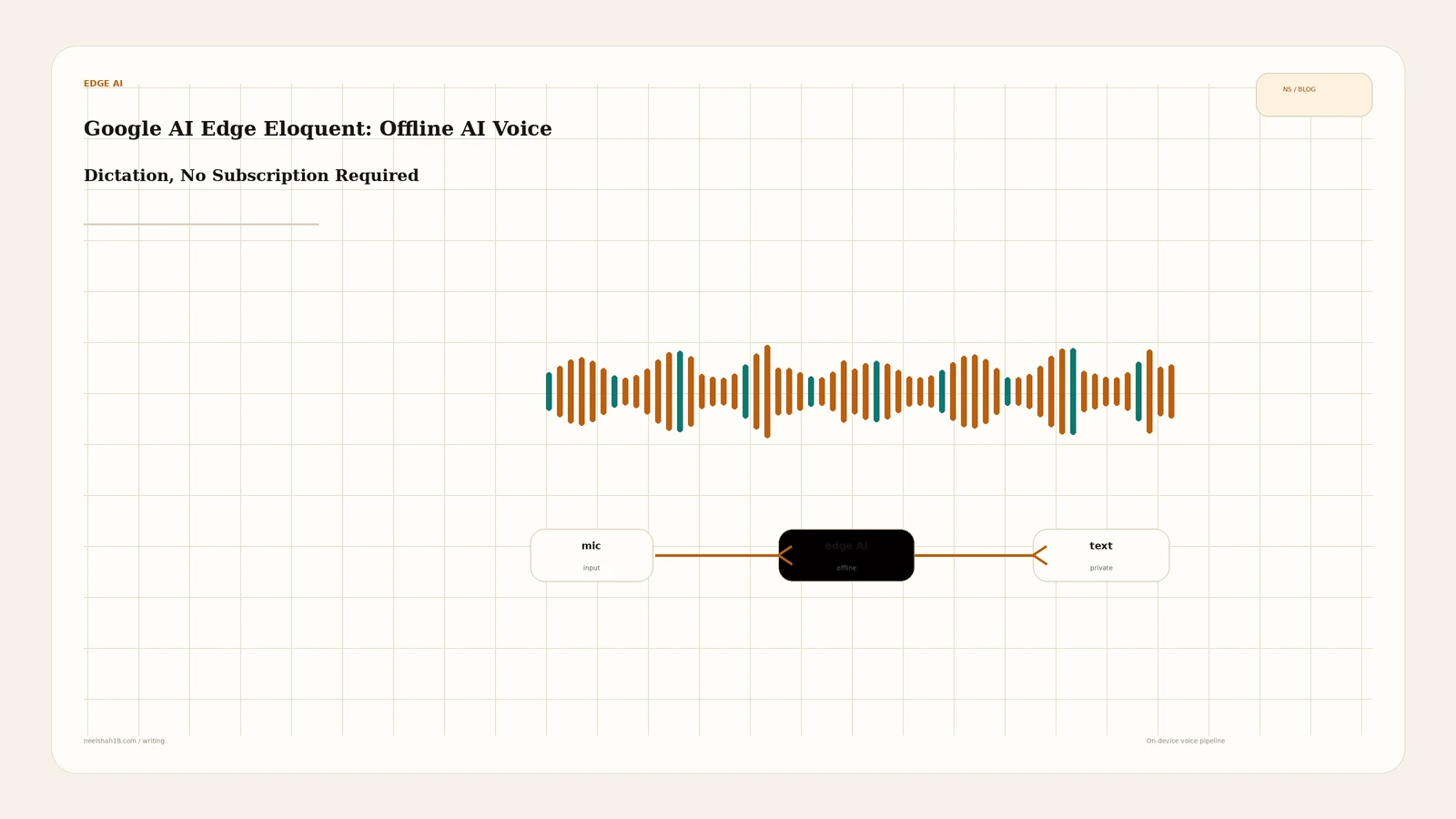
Google AI Edge Eloquent: Offline AI Voice Dictation, No Subscription Required
Google quietly launched AI Edge Eloquent on iOS — an offline, on-device voice dictation app powered by edge AI. No cloud, no subscription, no usage caps. Here's what it does and why it matters.
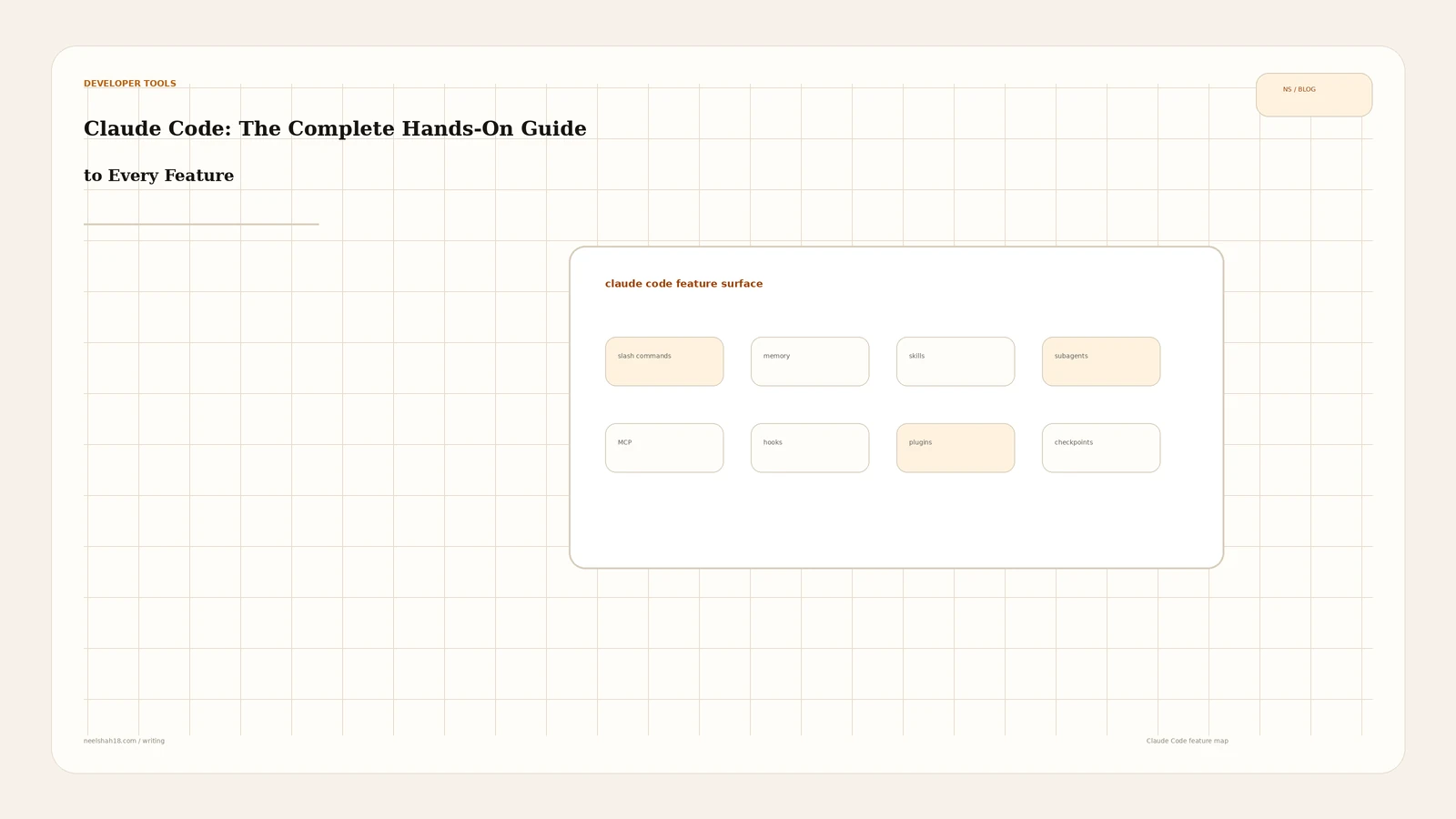
Claude Code: The Complete Hands-On Guide to Every Feature
A practical, example-driven guide to every Claude Code feature — slash commands, memory, skills, subagents, MCP, hooks, plugins, checkpoints, and advanced workflows. Real templates you can copy today.
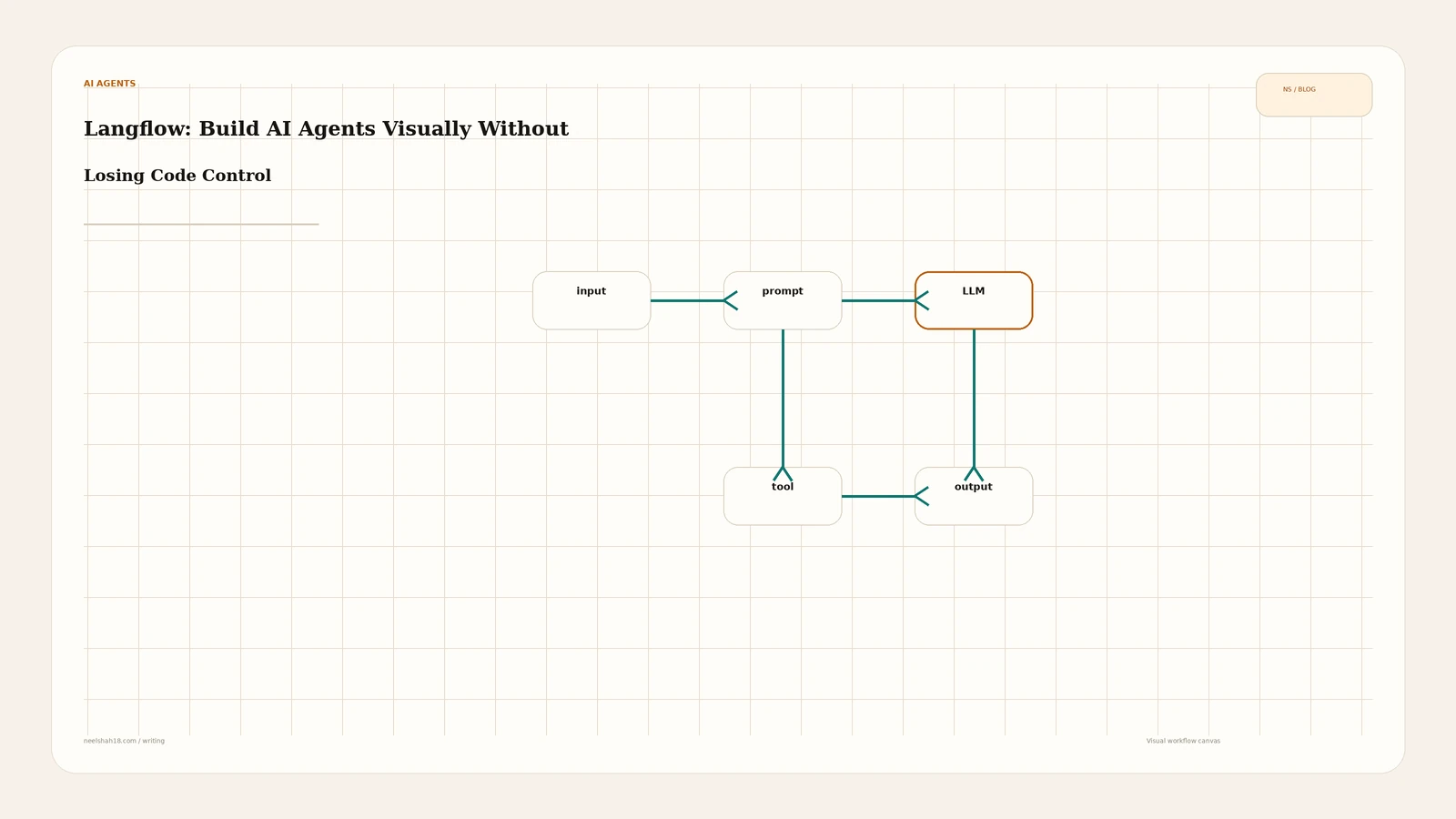
Langflow: Build AI Agents Visually Without Losing Code Control
A practical guide to Langflow — the open-source visual builder for AI agents and workflows. Setup, drag-and-drop walkthrough, MCP server deployment, 5 top features, and security notes.
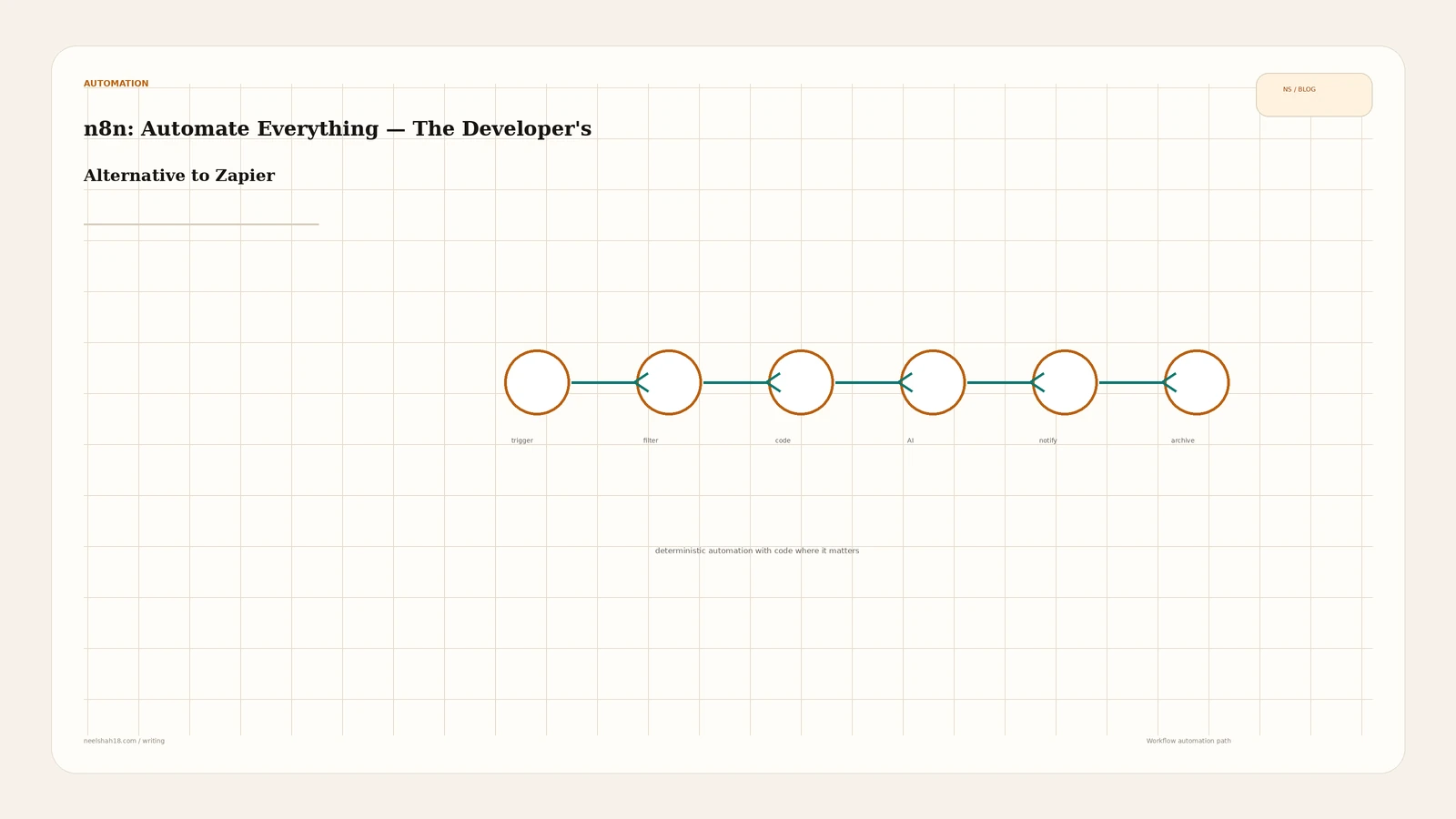
n8n: Automate Everything — The Developer's Alternative to Zapier
A practical guide to n8n — the self-hosted workflow automation tool with 400+ integrations, AI-native capabilities, and the power of custom code. Setup, usage, 5 standout features, and honest review.
Sarvam AI 105B: India's Most Powerful Multilingual Language Model
A deep dive into Sarvam AI's 105B parameter model — built for Bharat, fluent in 22 Indian languages, and designed for production AI applications. API setup, key features, and real-world use cases.
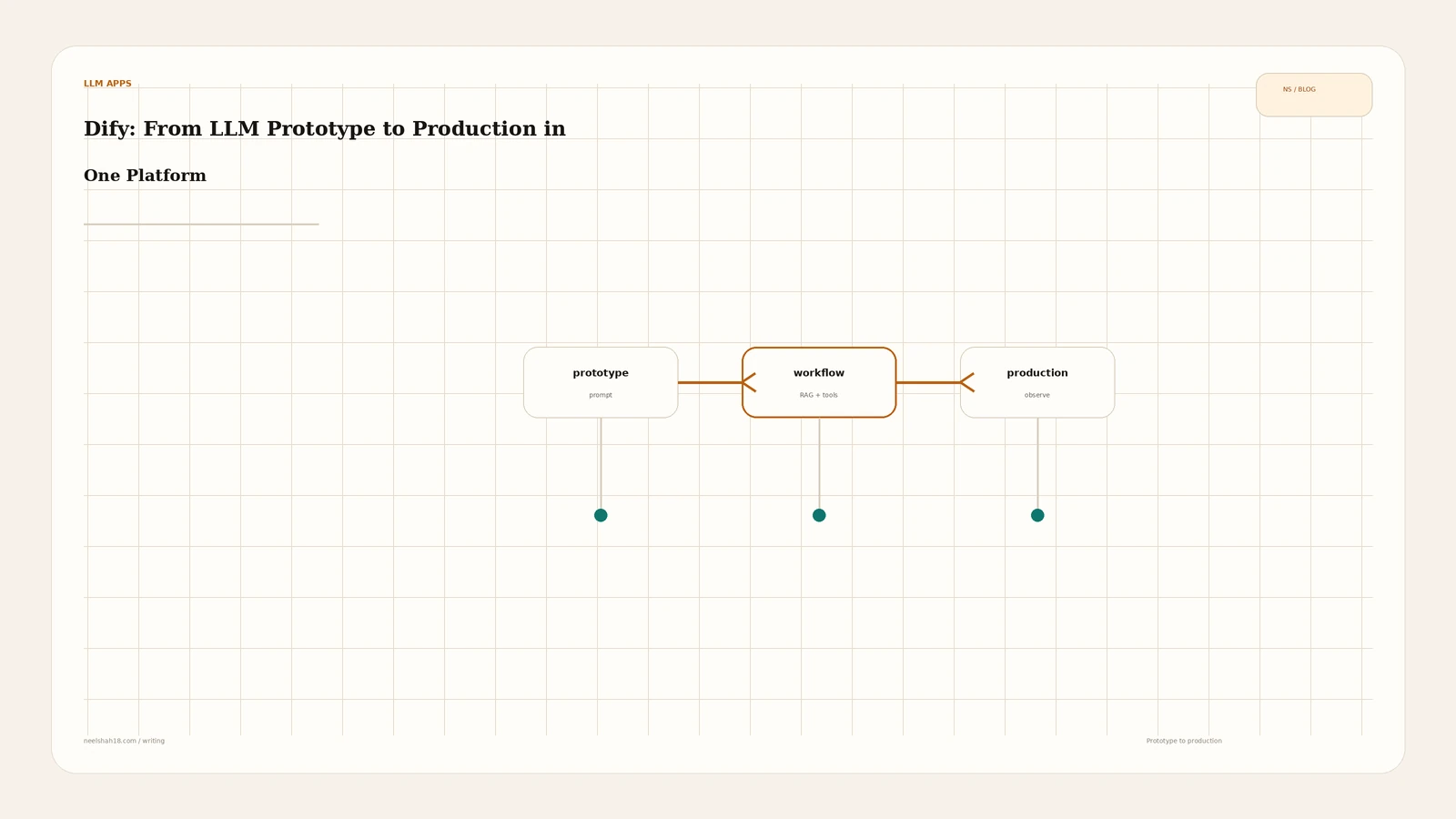
Dify: From LLM Prototype to Production in One Platform
A hands-on guide to Dify — the open-source LLM platform with visual workflows, RAG pipelines, and built-in observability. Setup via Docker, key features, and honest review.
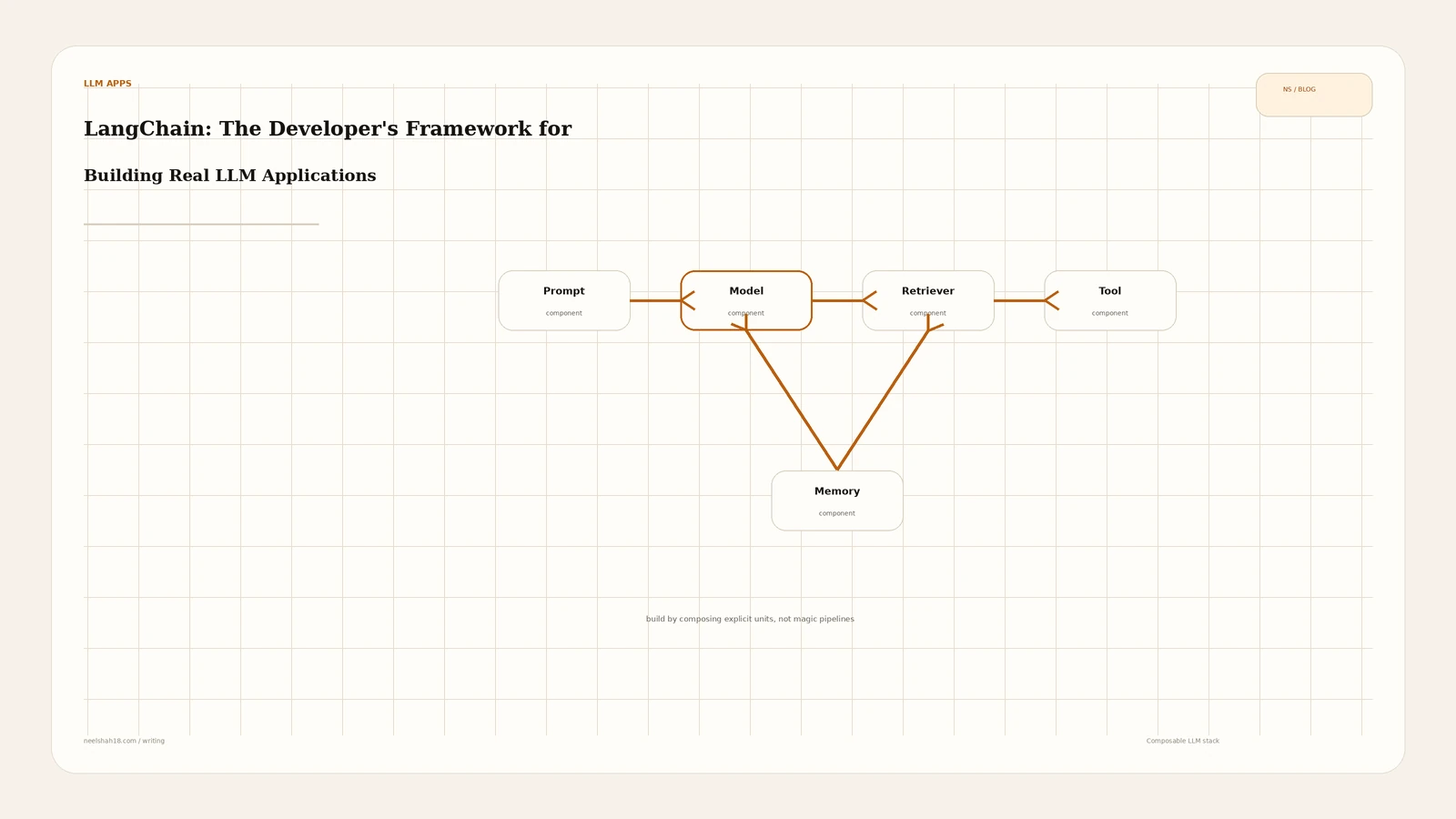
LangChain: The Developer's Framework for Building Real LLM Applications
A practical guide to LangChain — the Python framework powering thousands of production AI apps. Setup, core concepts, 5 must-know features, and when to use it vs when not to.
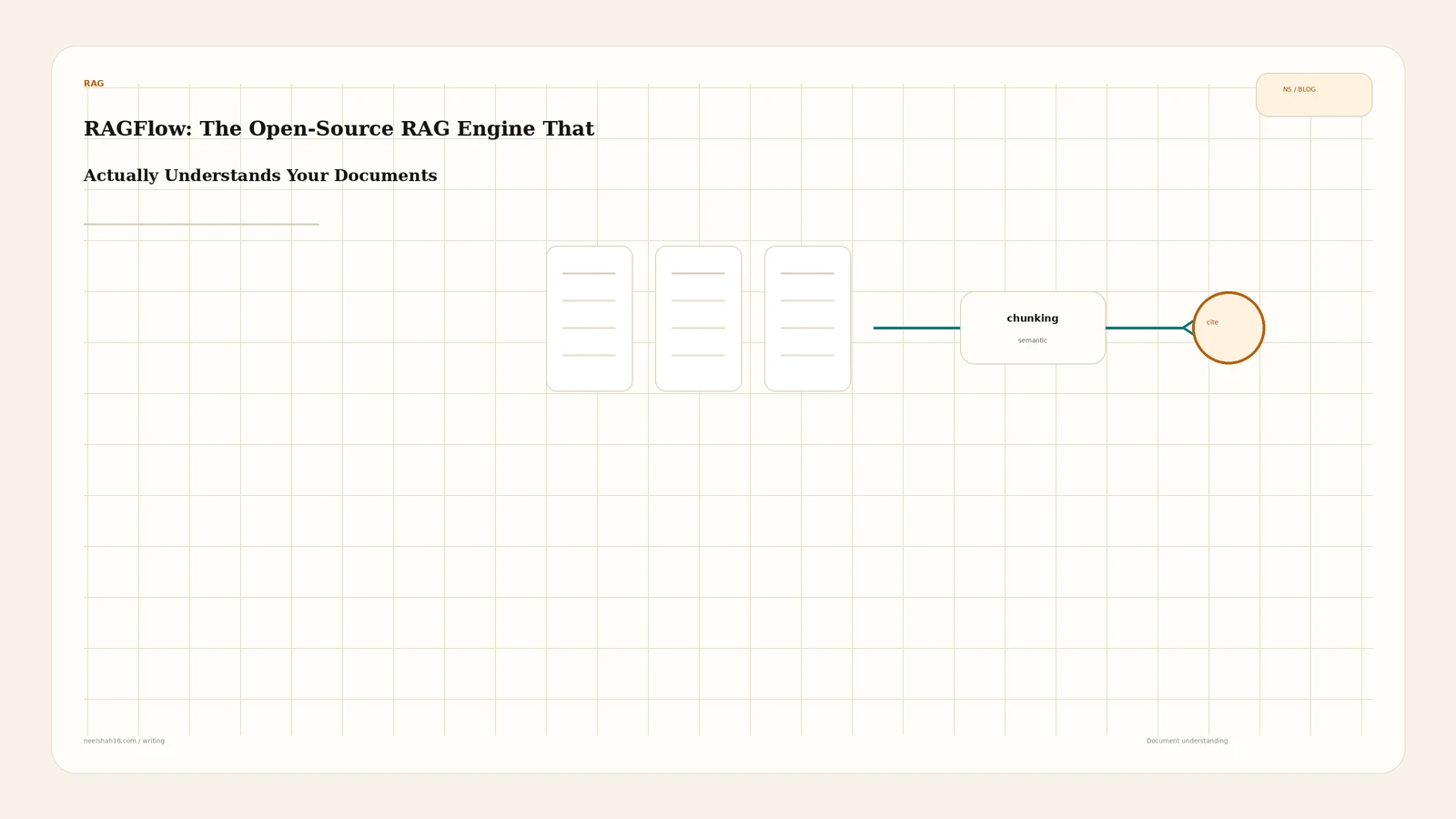
RAGFlow: The Open-Source RAG Engine That Actually Understands Your Documents
A practical guide to RAGFlow — the open-source RAG engine with deep document understanding, grounded citations, and intelligent chunking. Setup, usage, 5 killer features, and honest pros/cons.
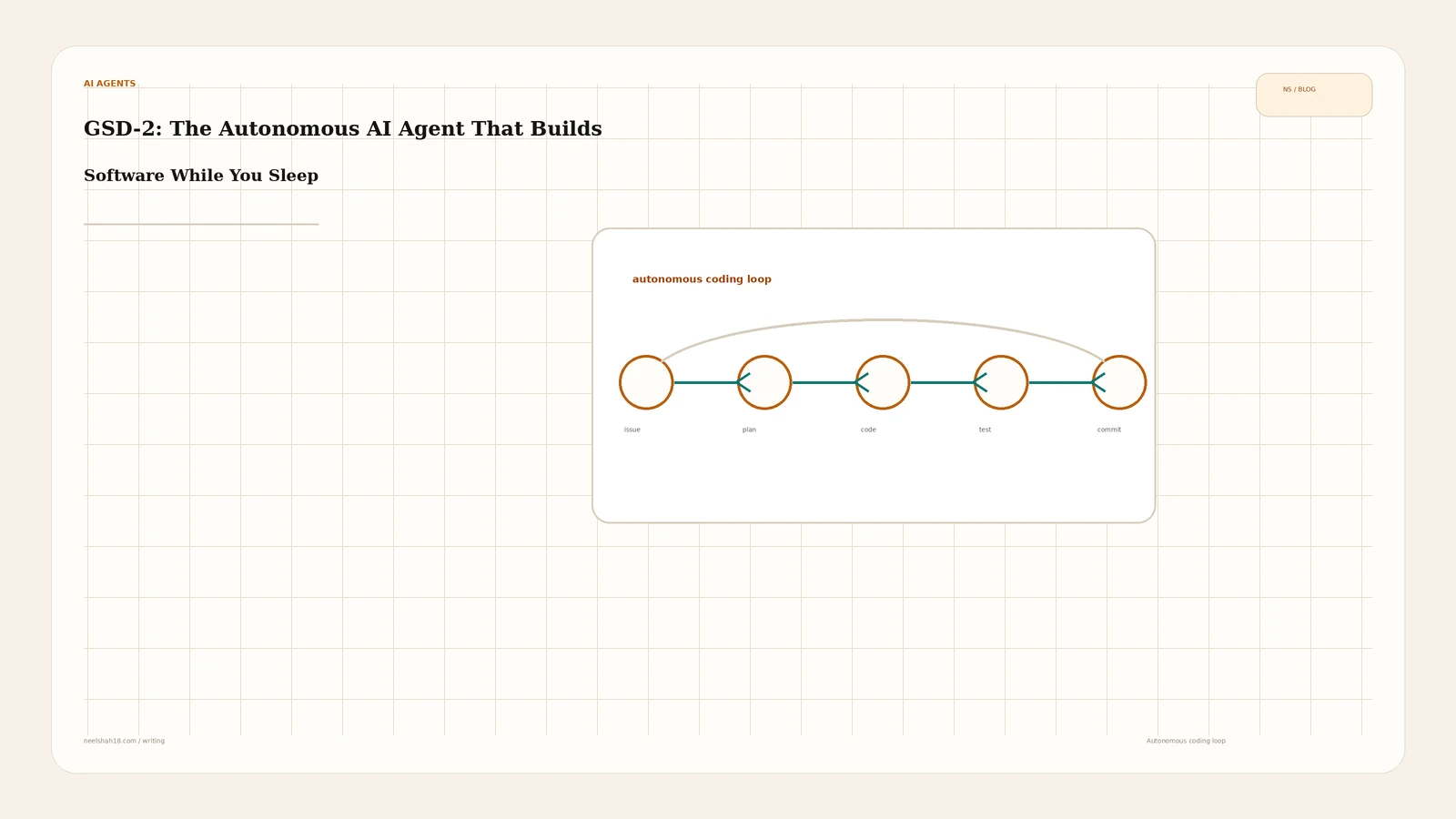
GSD-2: The Autonomous AI Agent That Builds Software While You Sleep
A complete guide to Get Shit Done 2 — the CLI that turns Claude Code into a fully autonomous coding agent. Setup on Ubuntu/Linux, full workflow walkthrough, and why it changes everything about how you build software.
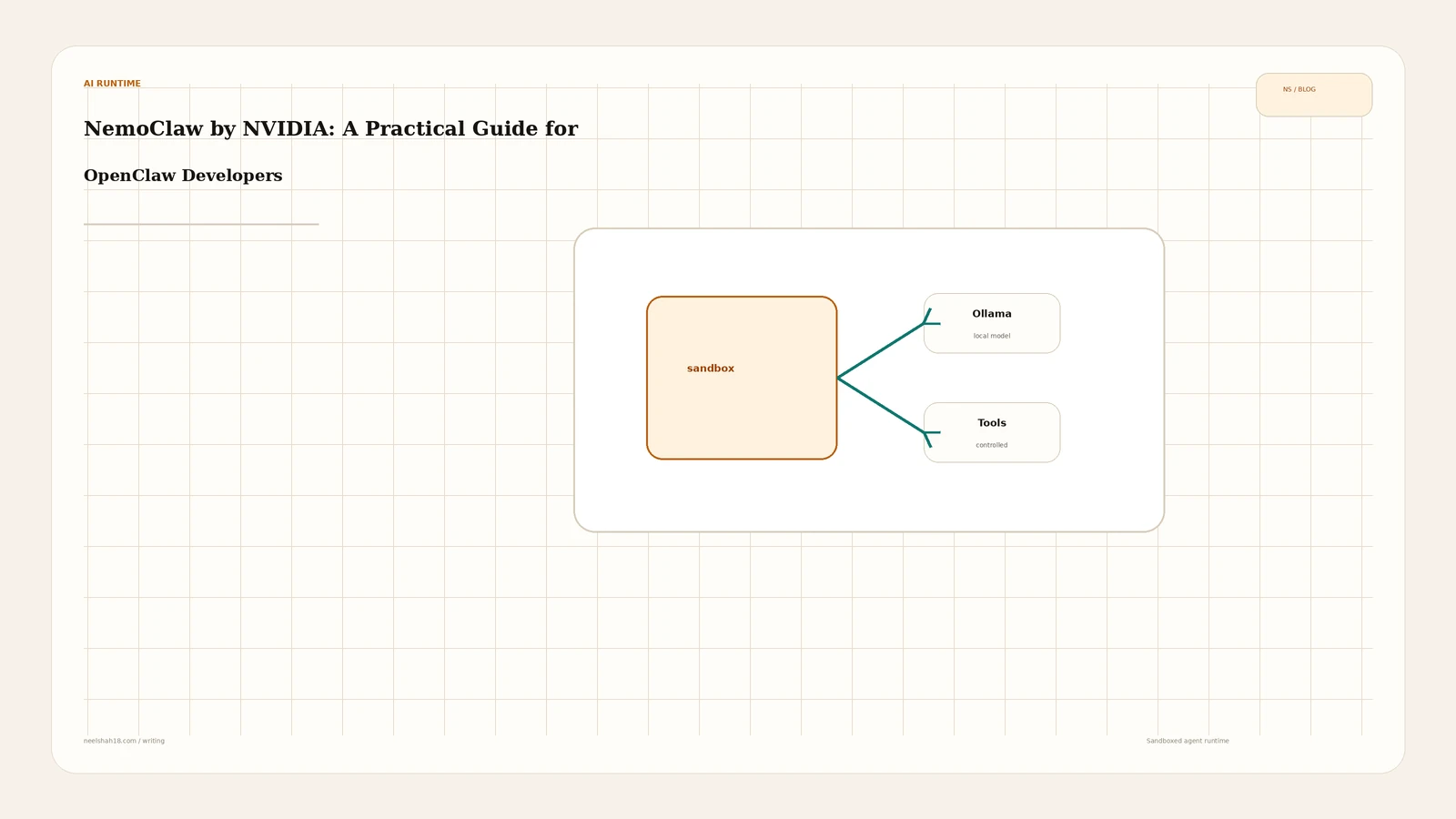
NemoClaw by NVIDIA: A Practical Guide for OpenClaw Developers
A hands-on walkthrough of NemoClaw — NVIDIA's sandboxed AI agent runtime. Fresh install, local Ollama inference, 5 game-changing features, and every error explained simply.
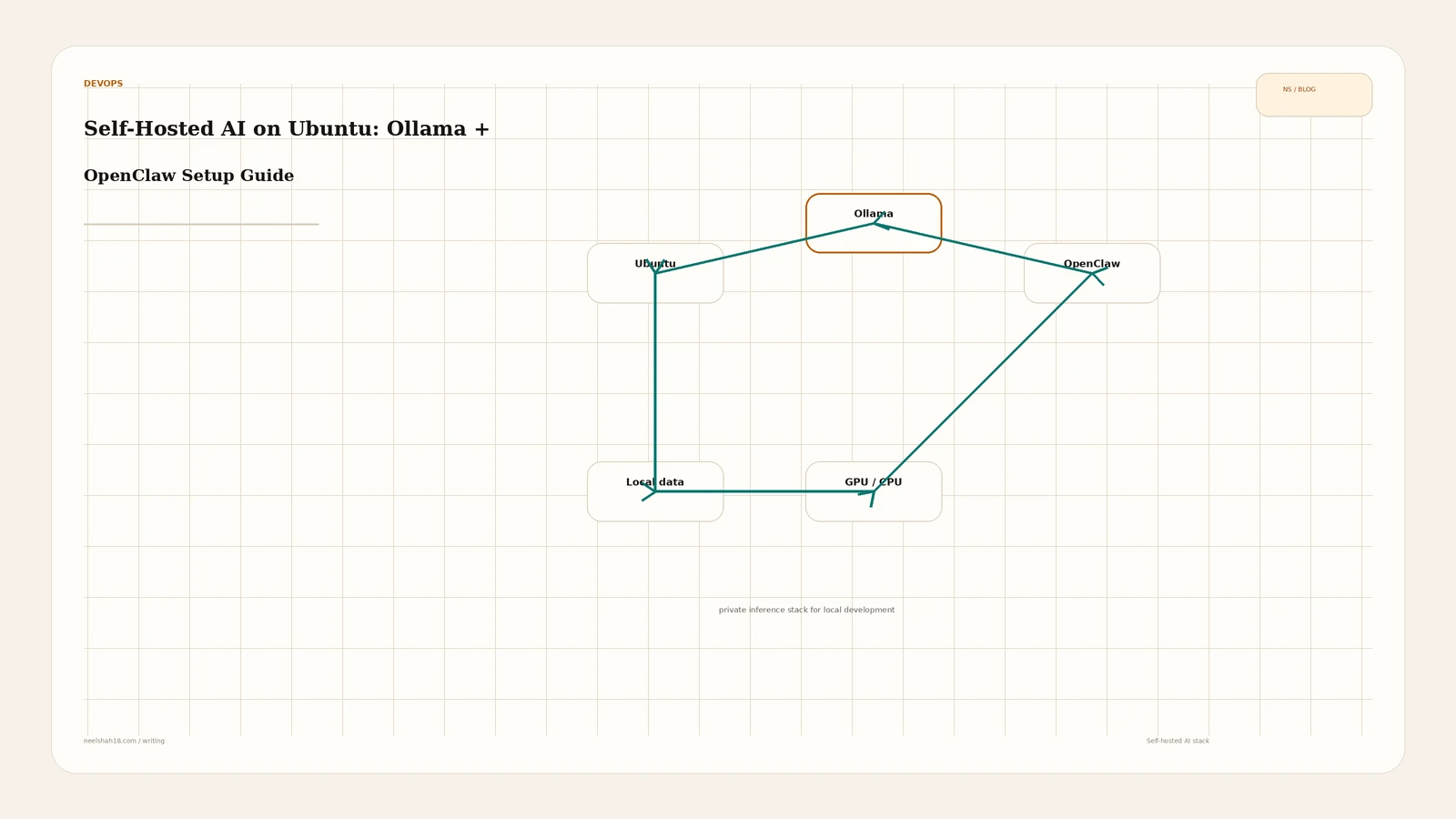
Self-Hosted AI on Ubuntu: Ollama + OpenClaw Setup Guide
A complete walkthrough of setting up Ollama and OpenClaw on Ubuntu — including model selection, WhatsApp integration, every error I hit, and how to fix them.
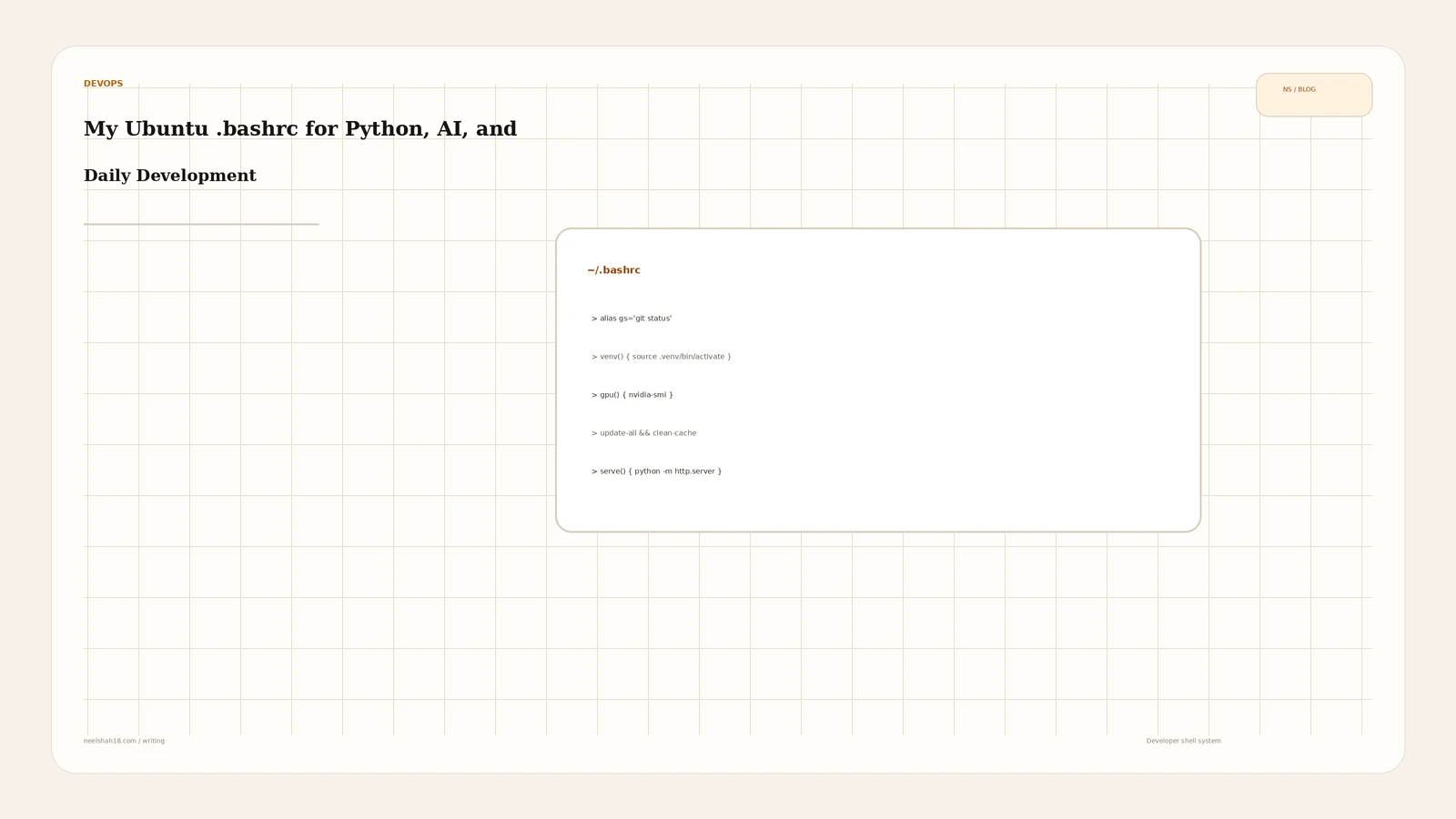
My Ubuntu .bashrc for Python, AI, and Daily Development
Every command, alias, and function in my .bashrc — covering file navigation, git, system info, AI stack control, Python environments, Jupyter, GPU monitoring, and a single update command for everything.